






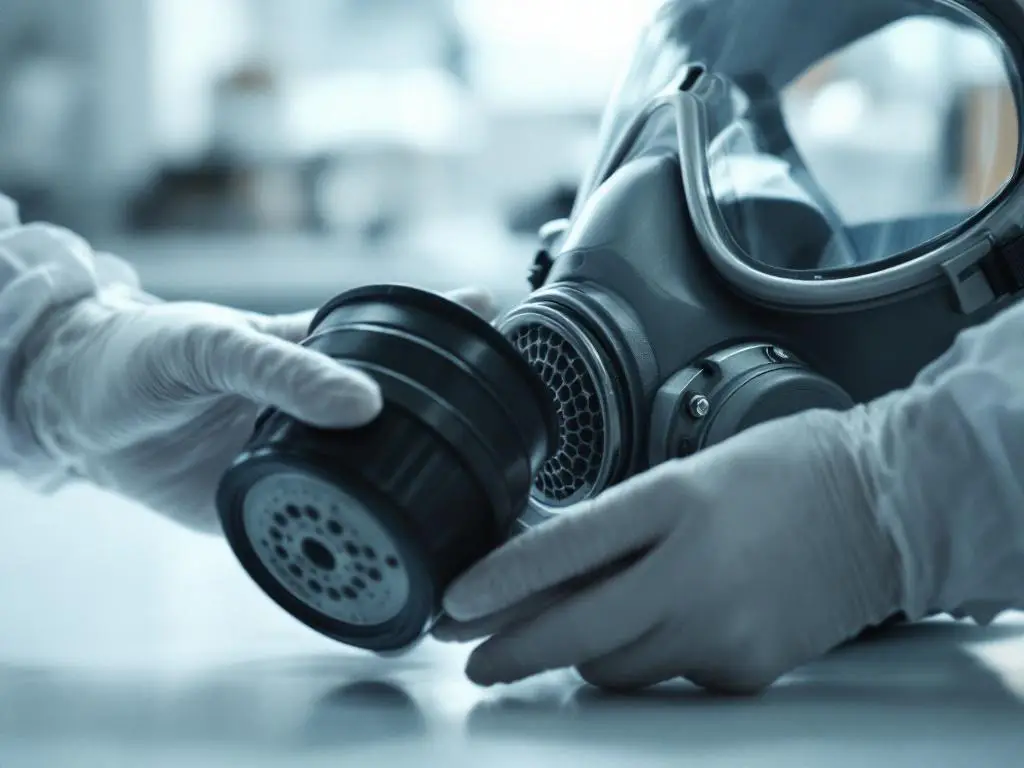
Modern gas masks and filters are significantly safer than older versions due to advanced materials, improved certification standards, and enhanced protective capabilities. Contemporary filters use multi-layer filtration systems with activated carbon and HEPA technology that provide superior protection against chemical vapors, particles, and biological contaminants. Understanding proper usage, maintenance, and replacement schedules ensures maximum safety when working with personal protective equipment in horticultural environments.
What makes modern gas mask filters different from older versions?
Modern gas mask filters incorporate multi-layer filtration technology that combines activated carbon, HEPA filters, and specialized chemical absorbents. Unlike older single-layer designs, contemporary filters meet strict EN 14387 and NIOSH certification standards that guarantee protection levels against specific chemical classes and concentrations.
Key improvements include higher activated carbon density for better chemical vapor adsorption, electrostatic filter media that capture smaller particles, and improved housing materials that resist chemical degradation. Modern filters also feature color-coded systems that clearly identify protection types, making selection easier for specific applications.
Contemporary manufacturing processes ensure consistent quality and performance across all filter units. The materials used resist moisture better than older versions, maintaining effectiveness in humid conditions common in greenhouse and horticultural work environments.
How do you know if a gas mask filter is still safe to use?
Check the expiration date printed on the filter canister and inspect it for physical damage, including cracks, dents, or broken seals. A filter showing any visible damage, unusual odors, or increased breathing resistance should be replaced immediately, regardless of age or usage time.
Look for signs of chemical breakthrough, which include detecting odors or tastes through the mask during use. This indicates the filter has reached saturation and can no longer provide adequate protection. Changes in the filter’s weight can also indicate moisture absorption or chemical saturation.
Proper storage significantly extends filter life. Filters stored in their original packaging, away from direct sunlight and extreme temperatures, maintain their protective capabilities longer. Always replace filters that have been dropped, exposed to chemicals outside the mask, or stored improperly.
What types of chemicals can modern gas mask filters protect against?
Modern gas masks and filters are classified by color-coded systems that indicate specific protection types. Brown filters (Class A) protect against organic vapors such as pesticides and solvents, while grey filters (Class B) protect against inorganic gases, including chlorine and hydrogen sulfide, commonly used in horticultural disinfection.
Combination filters offer protection against multiple chemical classes simultaneously. ABEK filters provide comprehensive protection against organic vapors, inorganic gases, sulfur dioxide, and ammonia. Particle filters (P1, P2, P3) protect against dust, mists, and biological agents often encountered during crop protection applications.
Agricultural applications typically require A2P3 or ABEK1P3 filters, which protect against most pesticides, fungicides, and organic vapors while filtering particles. Always match filter specifications to the specific chemicals being used, as no single filter protects against all substances.
Why do gas mask filters have expiration dates and shelf-life limits?
Filter materials degrade over time even when unused, as activated carbon loses adsorption capacity and filter media become less effective. Chemical reactions within the filter materials, moisture absorption, and material aging gradually reduce protection levels, making expiration dates critical safety indicators.
Activated carbon, the primary component in chemical filters, naturally absorbs moisture and contaminants from the air even during storage. This process slowly reduces the available capacity for target chemicals, potentially leaving users exposed to dangerous concentrations during actual use.
Seal integrity also deteriorates over time, allowing unfiltered air to bypass the filtration system. Rubber gaskets, plastic housings, and adhesives used in filter construction have limited lifespans that manufacturers determine through extensive testing under various environmental conditions.
How do you properly maintain gas mask filters for maximum safety?
Store filters in their original, sealed packaging until ready for use, keeping them in cool, dry locations away from direct sunlight and chemical vapors. Once opened, use filters promptly and replace them according to manufacturer guidelines or when breakthrough occurs, whichever comes first.
Inspect filters before each use for physical damage, seal integrity, and correct installation on the mask. Never attempt to clean or regenerate used filters, as this can damage protective materials and create false confidence in compromised equipment.
Keep detailed records of filter installation dates, usage hours, and chemical exposures to track replacement schedules accurately. Establish routine replacement protocols based on manufacturer recommendations and actual usage patterns rather than waiting for signs of filter failure.
How Hortus Supplies helps with personal protection
We provide comprehensive personal protective solutions specifically designed for horticultural professionals working with crop protection chemicals and other agricultural applications. Our selection includes properly certified gas masks and filters that meet international safety standards for agricultural use.
Our personal protection offerings include:
- Certified respiratory protection equipment suitable for pesticide and chemical applications
- Expert guidance on selecting appropriate filter types for specific horticultural chemicals
- Training resources for proper equipment use and maintenance protocols
- Replacement scheduling support to ensure continuous protection
Understanding the critical importance of worker safety in horticultural operations, we work closely with growers to ensure proper equipment selection and use. Contact our safety specialists to discuss your specific protection requirements and develop a comprehensive safety program for your growing operation.
Frequently Asked Questions
How often should I replace gas mask filters during heavy pesticide application seasons?
Replace filters more frequently during intensive application periods, typically after 8-40 hours of use depending on chemical concentration and filter type. Monitor for breakthrough signs like detecting odors through the mask, and always err on the side of caution by replacing filters early rather than risking exposure to harmful chemicals.
Can I use the same filter for different types of pesticides and chemicals?
Only if the filter is rated for all chemicals you’re using. ABEK combination filters handle most agricultural chemicals, but always verify the filter’s certification covers your specific pesticides. Never assume compatibility – check the manufacturer’s chemical resistance chart and replace filters when switching between incompatible chemical classes.
What should I do if I accidentally breathe in chemicals while wearing a gas mask?
Immediately move to fresh air, remove the mask, and seek medical attention if you experience symptoms like dizziness, nausea, or breathing difficulties. This likely indicates filter failure or improper mask fit. Replace the filter immediately and have your mask professionally fit-tested before returning to work.
How do I know if my gas mask fits properly for maximum protection?
Perform a user seal check before each use by covering the filter inlet and inhaling gently – the mask should collapse slightly against your face. Professional fit testing is recommended annually or when changing mask models. Facial hair, weight changes, or dental work can affect fit and require re-evaluation.
Are there special storage requirements for opened gas mask filters?
Once opened, store filters in airtight containers or sealed bags when not in immediate use to prevent premature saturation from ambient moisture and vapors. Keep them in cool, dry locations and label with the opening date. Most opened filters should be used within 6 months regardless of actual usage time.
What's the difference between P1, P2, and P3 particle filters for agricultural use?
P1 filters capture 80% of particles and are suitable for low-toxicity dusts, P2 filters capture 94% and handle moderate-toxicity materials like some fungicides, while P3 filters capture 99.95% of particles and are required for highly toxic substances. Most agricultural applications require P2 or P3 ratings for adequate protection.
Can extreme weather conditions affect gas mask filter performance?
Yes, high humidity can reduce filter life by saturating activated carbon faster, while extreme cold can affect seal flexibility and breathing resistance. Store masks and filters at moderate temperatures, allow equipment to acclimate before use in extreme conditions, and consider shorter replacement intervals during challenging weather periods.