






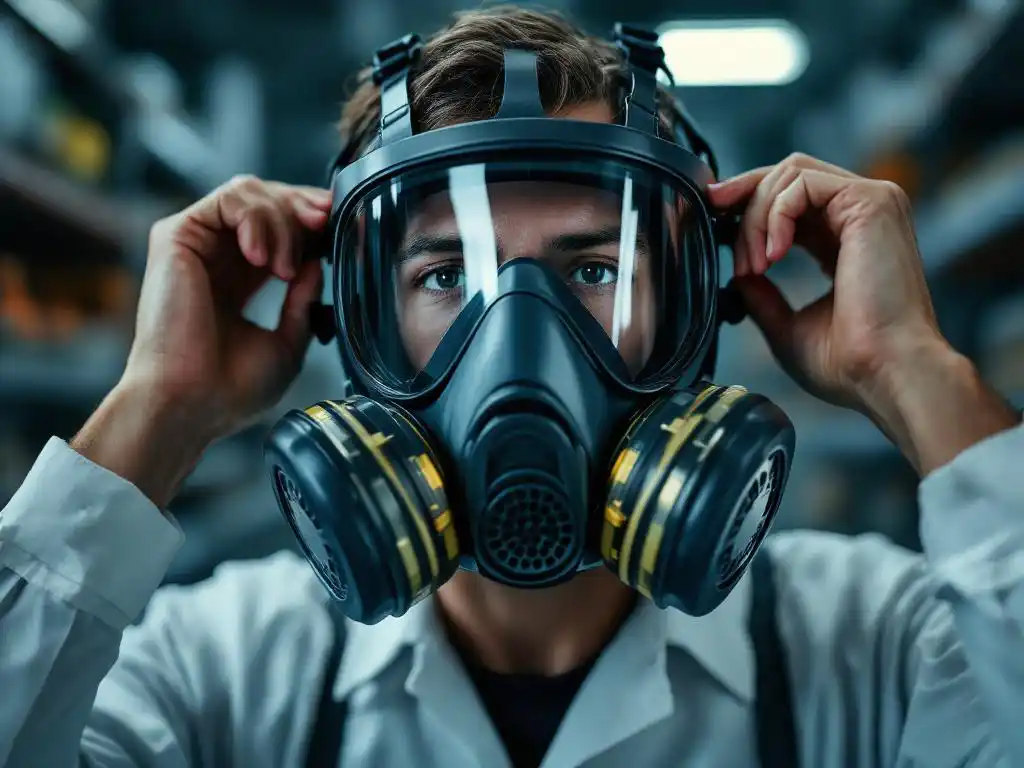
The safest gas mask combines proper fit testing, certified filtration systems, and an appropriate protection level for your specific hazards. Full-face respirators offer the highest protection when equipped with the right filters and cartridges, providing eye protection alongside respiratory safety. Safety depends on matching the mask type to your environment’s specific chemical threats and maintaining proper seal integrity.
What makes a gas mask truly safe and effective?
A truly safe gas mask requires four critical components: certified filtration efficiency, a proper facial seal, quality materials, and appropriate protection ratings. The filtration system must meet specific standards for the chemicals you’ll encounter, while the facial seal prevents contaminated air from bypassing the filter entirely.
Filtration efficiency determines what percentage of harmful particles or gases the mask can remove from incoming air. Professional-grade masks typically filter 99.97% of particles when properly fitted. The filter material and design must match your specific hazards, whether you’re dealing with organic vapours, acid gases, or particulates.
Seal quality depends on the mask’s design and your facial structure. Full-face masks generally provide better seals than half-face models because they cover more surface area and use multiple seal points. Regular fit testing ensures the seal remains effective over time and with different facial expressions or movements.
Material construction affects durability and chemical resistance. High-quality masks use materials that won’t degrade when exposed to the chemicals they’re designed to protect against. This includes the mask body, sealing surfaces, and connection points for gas masks and filters.
Which type of gas mask offers the best protection?
Full-face respirators provide the highest level of protection by covering the entire face and protecting the eyes, nose, and mouth simultaneously. They create multiple seal points around the face perimeter and accommodate higher protection factor ratings than other mask types.
Half-face respirators cover the nose and mouth only, offering good protection for many applications while maintaining better communication and visibility. They work well for lower-risk environments where eye protection isn’t required or is provided separately through safety goggles.
Powered air-purifying respirators (PAPRs) use battery-powered fans to draw air through filters, providing positive pressure inside the mask. This design offers excellent protection and reduces breathing resistance, making them ideal for extended use periods or physically demanding work.
The “best” protection depends on your specific hazards and work requirements. Full-face masks excel in high-risk chemical environments, while half-face models suit routine applications with lower exposure levels. PAPRs provide superior comfort for long-duration use but require battery maintenance and a higher initial investment.
How do you choose the right gas mask for your specific needs?
Choosing the right gas mask starts with conducting a thorough hazard assessment of your work environment. Identify the specific chemicals, concentrations, and exposure duration you’ll encounter. This information determines the required protection factor and appropriate filter types for your situation.
Work environment factors influence mask selection significantly. Consider temperature, humidity, physical activity level, and duration of use. Hot, humid conditions may require masks with better ventilation or cooling features. Heavy physical work benefits from lightweight designs or powered air systems.
Comfort requirements affect compliance and safety. The mask must fit properly across different face shapes and sizes within your team. Features like adjustable straps, cushioned sealing surfaces, and balanced weight distribution reduce fatigue during extended wear periods.
Maintenance considerations include filter replacement costs, cleaning requirements, and spare parts availability. Calculate ongoing operating costs alongside the initial purchase price. Ensure your team can properly maintain and inspect the equipment according to the manufacturer’s specifications.
What are the most important safety certifications to look for?
NIOSH approval represents the gold standard for respiratory protection in many regions, indicating the mask meets rigorous testing standards for filtration efficiency, breathing resistance, and durability. Look for the NIOSH approval number and ensure it matches your specific protection requirements.
CE marking indicates compliance with European safety standards, essential for equipment used in European markets. This certification ensures the mask meets health, safety, and environmental protection requirements established by European legislation.
Industry-specific certifications may be required depending on your application. Agricultural applications might require additional certifications for pesticide resistance, while industrial settings may need explosion-proof ratings or chemical compatibility certifications.
Protection factor ratings indicate the level of protection provided under proper use conditions. Higher numbers represent greater protection levels. Match the protection factor to your hazard assessment results to ensure adequate safety margins for your specific application.
How Hortus Supplies helps with personal protective equipment
We provide comprehensive personal protective equipment solutions specifically designed for horticultural professionals working with crop protection products and agricultural chemicals. Our expertise helps you select the most appropriate gas masks and filters based on your specific growing operations and chemical applications.
Our personal protective equipment services include:
- Professional hazard assessment for your specific crops and treatment programmes
- Custom equipment recommendations based on your operational requirements
- Training support for proper fitting, use, and maintenance procedures
- Ongoing technical support for equipment updates and regulatory compliance
We understand the unique challenges facing horticultural operations and provide practical solutions that balance safety, comfort, and operational efficiency. Our experienced advisors help you navigate equipment selection while managing costs effectively for your growing business.
Ready to enhance your team’s safety with professional-grade respiratory protection? Contact us today to discuss your specific requirements and receive personalised equipment recommendations for your horticultural operation.
Frequently Asked Questions
How often should I replace gas mask filters and cartridges?
Filter replacement frequency depends on usage intensity and chemical exposure levels. For agricultural applications, replace filters after 8 hours of active use or when breathing becomes noticeably more difficult. Cartridges should be changed immediately if you detect any odor or taste breakthrough, as this indicates the filter is saturated and no longer providing adequate protection.
Can I use the same gas mask for different types of chemicals?
Never use the same filter cartridge for different chemical types without checking compatibility. While the mask body can often be reused, you must change to the appropriate filter cartridge designed for each specific chemical class. For example, organic vapor cartridges won’t protect against acid gases, and using the wrong filter type can result in dangerous exposure.
What should I do if my gas mask doesn't pass a fit test?
If your mask fails fit testing, try adjusting the straps for better positioning or test a different mask size or model. Some faces require specific mask designs to achieve proper sealing. Never use a mask that fails fit testing, as even small leaks can allow dangerous chemicals to bypass the filtration system and compromise your safety.
How do I properly clean and store my gas mask between uses?
Clean the mask body with mild soap and warm water after each use, avoiding harsh chemicals that could degrade the materials. Remove and store cartridges separately in a clean, dry location. Allow all components to air dry completely before storage, and inspect sealing surfaces for cracks or damage that could affect the seal integrity.
Are there any medical conditions that prevent someone from using a gas mask?
Certain respiratory conditions, heart problems, or claustrophobia may prevent safe gas mask use. Individuals with severe asthma, COPD, or heart conditions should consult with a medical professional before using respiratory protection. Some conditions may require powered air-purifying respirators (PAPRs) instead of traditional masks to reduce breathing resistance.
What's the difference between P100 and organic vapor cartridges?
P100 cartridges filter particles and dust but don’t protect against gases or vapors. Organic vapor cartridges remove chemical gases but provide no particle filtration. For comprehensive protection in agricultural settings, you typically need combination cartridges that include both P100 particle filtration and organic vapor protection to handle both particulates and chemical vapors simultaneously.
How can I prevent fogging issues with full-face gas masks?
Ensure proper fit and seal to maintain correct airflow patterns inside the mask. Clean the lens regularly with anti-fog solutions designed for respirators. Some masks include built-in anti-fog features or separate breathing circuits that direct exhaled air away from the lens. Avoid touching the inside lens surface, as oils from your skin can worsen fogging problems.
Benieuwd wat HSI voor uw bedrijf kan betekenen?
Onze specialisten denken graag met u mee over een oplossing op maat.