






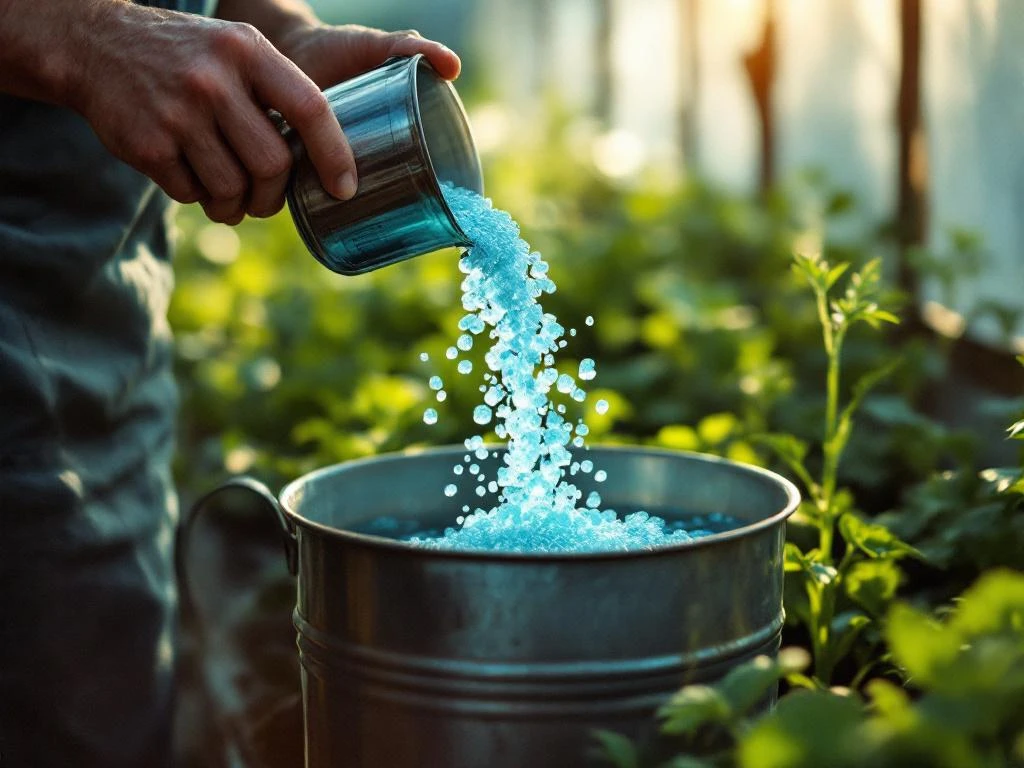
Water-soluble fertilizers are nutrient formulations that dissolve completely in water, providing immediate availability of essential plant nutrients for crop protection and enhanced growth. These fertilizers offer superior absorption rates compared to traditional granular options and play a crucial role in strengthening plant health, improving disease resistance, and optimizing crop yields through precise nutrient management.
What are water-soluble fertilizers and how do they work in crop protection?
Water-soluble fertilizers are specially formulated nutrient compounds that dissolve completely in water, creating a homogeneous solution that plants can absorb immediately through their root systems or foliar surfaces. These fertilizers typically contain essential macronutrients like nitrogen, phosphorus, and potassium, along with micronutrients such as iron, zinc, and manganese in chelated forms.
The chemical composition allows for instant nutrient availability, bypassing the soil’s natural breakdown processes that traditional fertilizers require. When dissolved, the nutrients exist as ions that plant roots can uptake directly, ensuring rapid response to nutritional needs.
In terms of crop protection, water-soluble fertilizers strengthen plant immune systems by providing balanced nutrition that enables plants to produce natural defense compounds. Well-nourished plants develop thicker cell walls, produce more antioxidants, and maintain better overall vigour, making them less susceptible to pest attacks and disease infections. This nutritional foundation serves as the first line of defense in integrated plant protection strategies.
Why are water-soluble fertilizers more effective than traditional fertilizers?
Water-soluble fertilizers deliver immediate nutrient availability with absorption rates up to 90% compared to 40-60% for granular fertilizers. The complete dissolution ensures uniform nutrient distribution and eliminates the risk of nutrient lockup that commonly occurs with traditional soil-applied fertilizers.
Traditional granular fertilizers must undergo soil breakdown processes before plants can access nutrients, which can take weeks or months depending on soil conditions, temperature, and moisture levels. This delayed release often results in nutrient loss through leaching, volatilisation, or soil fixation before plants can utilise them effectively.
Water-soluble options provide precise control over nutrient timing and concentration, allowing growers to respond quickly to plant stress or deficiency symptoms. The bioavailability advantage means plants receive exactly what they need when they need it, reducing waste and environmental impact whilst maximising crop protection benefits through optimal plant health maintenance.
How do you properly apply water-soluble fertilizers for maximum crop protection?
Proper application involves three primary methods: fertigation through irrigation systems, foliar feeding via spray applications, and soil drenching for root zone targeting. Each method requires specific concentration ratios and timing for optimal plant protection results.
For fertigation, dissolve fertilizers in irrigation water at concentrations between 100-500 ppm depending on crop type and growth stage. Apply during early morning or late afternoon to minimise evaporation losses. Ensure complete dissolution and maintain proper pH levels between 5.5-6.5 for maximum nutrient uptake.
Foliar applications work best at 0.1-0.5% concentrations, applied when temperatures are below 25°C and humidity levels allow for proper absorption. Add surfactants to improve leaf penetration and avoid application during flowering stages for sensitive crops.
Soil drenching requires higher concentrations (500-1000 ppm) applied directly to the root zone. This method works particularly well for container-grown plants and greenhouse operations where precise application control is essential for maintaining plant health and disease resistance.
What types of crops benefit most from water-soluble fertilizer programs?
Greenhouse vegetables, ornamental flowers, and high-value fruit crops show the greatest response to water-soluble fertilizer programs due to their intensive production systems and precise nutritional requirements for optimal plant protection and yield quality.
Tomatoes, cucumbers, and peppers in controlled environments benefit significantly because their rapid growth rates and continuous production cycles demand consistent nutrient availability. These crops also face higher disease pressure in greenhouse conditions, making the immune-boosting effects of proper nutrition particularly valuable.
Ornamental plants including roses, chrysanthemums, and bedding plants respond excellently to water-soluble programs because flower quality and plant appearance directly correlate with nutritional status. Nursery operations find these fertilizers essential for maintaining healthy stock and reducing losses from stress-related problems.
Berry crops such as strawberries and blueberries benefit from the precise pH control possible with water-soluble fertilizers, whilst their shallow root systems make efficient nutrient uptake crucial for disease resistance and fruit quality maintenance.
How do water-soluble fertilizers enhance plant disease resistance and stress tolerance?
Water-soluble fertilizers enhance plant immune systems by providing balanced nutrition that enables plants to produce natural defense compounds, strengthen cell walls, and maintain optimal physiological functions that resist disease infection and environmental stress.
Key nutrients like potassium regulate water balance and enzyme activation, helping plants cope with drought and temperature stress whilst maintaining structural integrity against pathogen invasion. Calcium strengthens cell walls and improves plant structure, creating physical barriers against disease penetration.
Micronutrients such as zinc, manganese, and iron play crucial roles in enzyme systems responsible for producing antioxidants and phenolic compounds that provide natural antimicrobial properties. These nutrients also support chlorophyll production and photosynthetic efficiency, maintaining plant energy levels needed for active defense responses.
Proper nitrogen management through water-soluble fertilizers prevents both deficiency stress and excessive vegetative growth that can increase susceptibility to fungal diseases. The precise control possible with these fertilizers allows growers to maintain optimal plant nutrition throughout different growth stages, supporting consistent disease resistance and stress tolerance.
Hoe Hortus helpt met water-oplosbare meststoffen voor gewasbescherming
We provide comprehensive water-soluble fertilizer solutions specifically designed for professional growers seeking enhanced crop protection through optimal plant nutrition. Our product range includes specialized formulations for different crop types and growth stages, supported by technical expertise and global distribution capabilities.
Our water-soluble fertilizer offerings include:
- NPK formulations with precise nutrient ratios for specific crops
- Iron chelated trace elements for improved micronutrient availability
- Bio-stimulants that enhance plant stress tolerance
- Nano fertilizers with advanced nutrient delivery systems
- Technical support for application timing and concentration optimization
We work with commercial growers in over 25 countries, providing not just products but complete nutritional programs that integrate seamlessly with existing crop protection strategies. Our technical team offers guidance on application methods, timing, and troubleshooting to ensure maximum effectiveness.
Contact us today to discuss how our water-soluble fertilizer solutions can enhance your crop protection program and improve your growing results through precision nutrition management.
Frequently Asked Questions
How often should I apply water-soluble fertilizers?
Most crops benefit from weekly to bi-weekly applications during active growth periods. Adjust frequency based on growth rate and environmental conditions.
Can I mix different water-soluble fertilizers together?
Always conduct a jar test first. Avoid mixing calcium-based fertilizers with phosphate solutions to prevent nutrient lockup.
What concentration should I use for my crops?
Start with 100-200 ppm for young plants and 300-500 ppm for mature crops. Adjust based on plant response and tissue testing results.
How do I prevent salt buildup in containers?
Monitor electrical conductivity regularly and flush with clear water every 2-3 weeks. Use the leach-and-feed method for best results.