






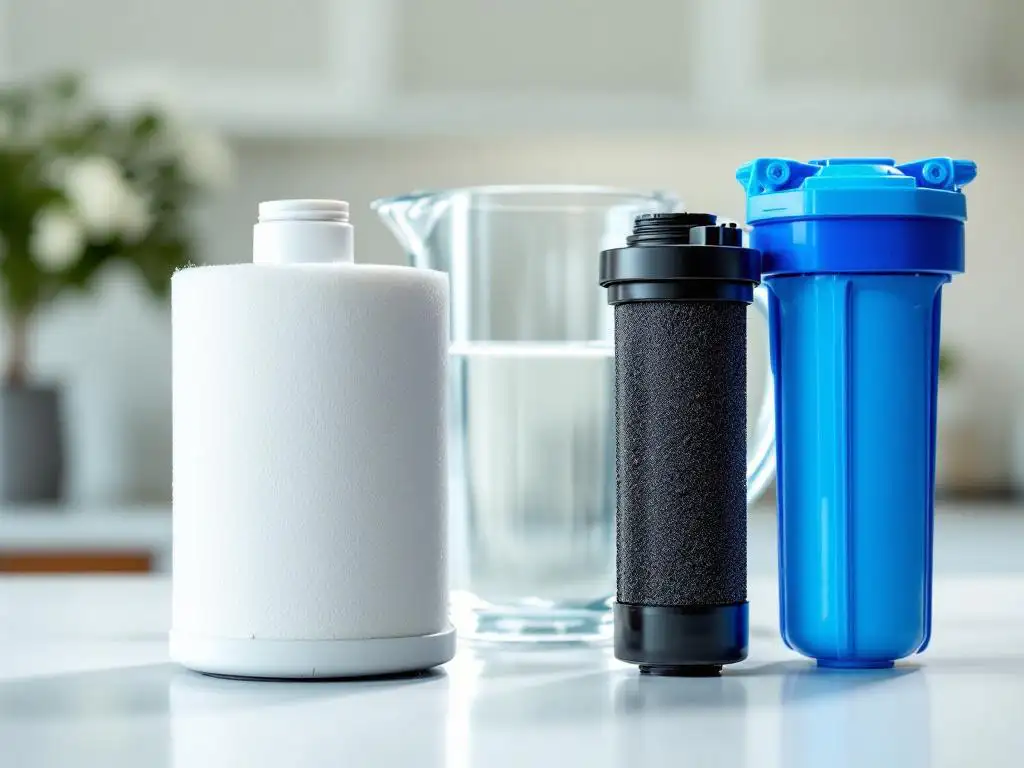
Professional growing systems rely on three main types of filters: mechanical, biological, and chemical. Mechanical filters remove physical particles and debris, biological filters eliminate harmful bacteria and pathogens, and chemical filters address pH levels and specific contaminants. Understanding when and how to use each type ensures optimal water quality for healthy plant growth and maximum yields in horticultural operations.
What are the three main types of filters used in horticulture?
The three main types of filters used in horticulture are mechanical filters, biological filters, and chemical filters. Each serves a distinct purpose in maintaining water quality and creating optimal growing conditions for plants.
Mechanical filters work through physical filtration, removing visible particles, sediment, and debris from water systems. They form the first line of defence against contamination and help protect more sensitive filtration equipment downstream.
Biological filters harness beneficial bacteria to break down harmful organic compounds and pathogens. These living systems create a natural balance that eliminates dangerous microorganisms while maintaining water quality over extended periods.
Chemical filters target specific contaminants through various methods, including activated carbon adsorption, UV sterilisation, and chemical dosing. They address issues such as pH imbalance, chlorine removal, and specific chemical pollutants that could harm plant health.
Different growing operations require different combinations of these filter types. Hydroponic systems typically need all three types working together, while soil-based operations might focus primarily on mechanical and chemical filtration for irrigation water.
How do mechanical filters work in growing systems?
Mechanical filters work by physically trapping particles and debris as water passes through various barrier materials. Screen filters, sand filters, and sediment filters each remove different particle sizes, from large debris down to microscopic contaminants.
Screen filters use mesh barriers with specific opening sizes to catch particles larger than the mesh allows. They’re excellent for removing leaves, algae, and larger debris from irrigation water. These filters require regular cleaning but offer reliable, low-maintenance filtration for most growing operations.
Sand filters force water through layers of specially graded sand that trap progressively smaller particles. The top layer catches larger debris, while finer particles get trapped deeper in the filter bed. Backwashing periodically cleans these filters by reversing the water flow.
Sediment filters use cartridge-based systems with materials such as spun polypropylene or pleated media. They excel at removing fine particles and can achieve filtration down to 1 micron or smaller. These filters need regular replacement but provide excellent water clarity.
Maintenance requirements vary by filter type, but all mechanical filters need regular attention. Screen filters require weekly cleaning, sand filters need monthly backwashing, and sediment cartridges typically need replacement every 3–6 months, depending on water quality and usage.
What makes biological filters essential for water quality?
Biological filters are essential because they create living ecosystems that continuously eliminate harmful bacteria, pathogens, and organic contaminants from water systems. Unlike mechanical or chemical filters, biofilters improve their effectiveness over time as beneficial bacterial colonies mature.
These filters work by cultivating beneficial bacteria that consume harmful microorganisms and break down organic waste products. The bacteria form biofilms on filter media surfaces, creating active zones where dangerous pathogens are eliminated through natural biological processes.
The nitrogen cycle management aspect is particularly important in hydroponic and aquaponic systems. Beneficial bacteria convert toxic ammonia from plant waste into less harmful nitrites, then into nitrates that plants can use as nutrients. This creates a self-sustaining cycle that benefits plant growth.
Biological water treatment processes require time to establish but provide long-term stability once mature. The bacterial colonies adapt to specific water conditions and contaminant types, becoming more effective at eliminating threats specific to each growing environment.
Temperature, pH levels, and oxygen availability all affect biological filter performance. Maintaining optimal conditions for beneficial bacteria ensures consistent water quality and reduces the risk of plant diseases caused by waterborne pathogens.
When should you use chemical filters in your growing operation?
Chemical filters become necessary when water quality issues cannot be resolved through mechanical or biological filtration alone. Use chemical filters when dealing with pH imbalances, chlorine contamination, heavy metals, or specific chemical pollutants that could harm plant health.
Activated carbon filters excel at removing chlorine, organic chemicals, and odours from municipal water supplies. Most tap water contains chlorine that can damage beneficial bacteria in biological filters and harm sensitive plants, making carbon filtration essential for many growers.
UV sterilisation systems eliminate bacteria, viruses, and other microorganisms without adding chemicals to the water. These systems work particularly well in hydroponic setups where maintaining sterile conditions is crucial for preventing disease outbreaks.
Chemical dosing systems automatically adjust pH levels and add specific nutrients or treatments as needed. These systems monitor water conditions continuously and make precise adjustments to maintain optimal growing conditions without manual intervention.
Consider your water source quality, crop sensitivity, and growing method when selecting chemical filters. Greenhouse operations with recirculating systems often need comprehensive chemical filtration, while outdoor, soil-based growing might only require basic chlorine removal.
How Hortus Supplies International helps with filtration systems
We provide comprehensive filtration solutions specifically designed for horticultural operations of all sizes. Our experienced team understands the unique challenges facing emerging growers and offers practical, cost-effective filtration systems that grow with your operation.
Our filtration support includes:
- Complete system design – Custom filtration plans based on your water source, crops, and budget
- Equipment supply – Quality mechanical, biological, and chemical filters from trusted manufacturers
- Technical consultation – Expert advice on filter selection, sizing, and maintenance schedules
- Installation guidance – Step-by-step support for proper system setup and commissioning
- Ongoing maintenance support – Training and supplies for keeping your filtration system operating efficiently
Whether you’re starting your first growing operation or expanding an existing facility, proper filtration is essential for success. Our team combines technical expertise with practical experience to recommend filtration solutions that deliver reliable results within your budget.
Ready to discuss your filtration needs? Contact our filtration specialists today for a personalised consultation and a system recommendation tailored to your specific growing requirements.
Frequently Asked Questions
How do I know which combination of filters I need for my specific growing setup?
Start by testing your water source for pH, chlorine levels, sediment, and bacterial contamination. Hydroponic systems typically need all three filter types working together, while soil-based operations often focus on mechanical and chemical filtration. Consider your crop sensitivity, system size, and budget when selecting the combination that works best for your operation.
What are the most common mistakes when setting up filtration systems?
The biggest mistakes include undersizing filters for the flow rate, placing filters in the wrong order (always start with mechanical, then biological, then chemical), and neglecting regular maintenance schedules. Many growers also skip water testing before installation, leading to inappropriate filter selection for their specific water quality issues.
How long does it take for biological filters to become fully effective?
Biological filters typically take 4-8 weeks to establish mature bacterial colonies and reach full effectiveness. During this startup period, you may need additional chemical filtration or more frequent water monitoring. Temperature, pH, and oxygen levels affect establishment time, with warmer conditions generally speeding up the process.
Can I use the same filtration system for different types of crops?
Yes, but you may need to adjust chemical filtration parameters like pH levels and nutrient dosing for different crops. The mechanical and biological components usually remain the same, but sensitive crops like leafy greens may require more stringent filtration than hardier vegetables. Always research specific water quality requirements for your crop varieties.
What should I do if my plants show signs of disease despite having filtration systems?
First, test your water quality to ensure all filters are working properly and check maintenance schedules for overdue cleaning or replacements. Verify that your biological filters haven't been disrupted by chemicals or temperature fluctuations. If water quality is good, the issue may be environmental factors like humidity, air circulation, or contaminated growing media rather than water filtration.
How do I calculate the right filter capacity for my growing operation?
Calculate your total water flow rate (gallons per hour) including irrigation, misting, and any recirculation needs. Size mechanical filters for 150% of your peak flow rate to prevent pressure drops. For biological filters, consider your total water volume and turnover rate. Chemical filters like UV systems need sizing based on flow rate and desired sterilization level.
Is it worth investing in automated chemical dosing systems for small operations?
Automated dosing systems become cost-effective when you have consistent water quality issues, multiple growing cycles per year, or crops that are sensitive to pH fluctuations. For small operations with stable water sources, manual pH adjustment and basic chemical filtration may be more economical initially, with automation added as the operation scales up.