






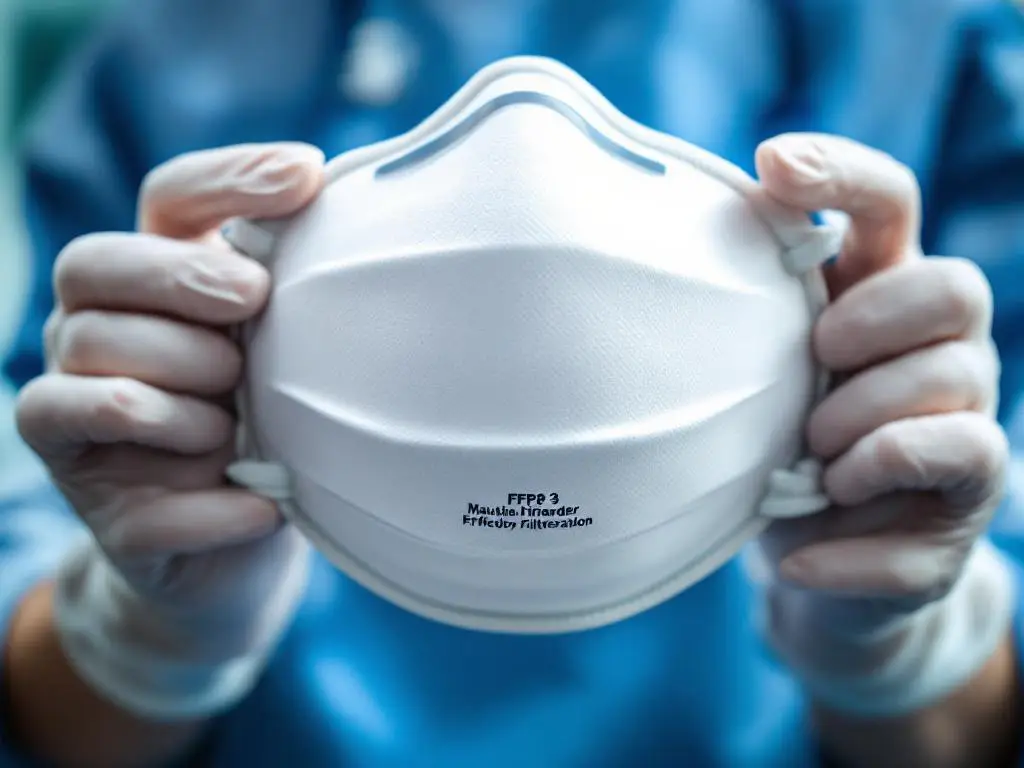
FFP3 masks are high-efficiency respiratory protection devices that filter 99.95% of airborne particles, including dust, chemicals, and biological contaminants. They provide essential protection for agricultural workers during crop protection activities, pesticide applications, and greenhouse operations. Understanding proper FFP3 usage helps growers maintain safety while working with hazardous materials and in enclosed growing environments where personal protection is crucial.
What is an FFP3 mask, and how does it protect agricultural workers?
An FFP3 mask is a high-performance filtering facepiece respirator that captures 99.95% of particles down to 0.3 microns in size. This includes dust, pollen, fungal spores, chemical particles, and biological contaminants commonly encountered in horticultural operations.
The mask features multiple filtration layers that create a barrier against harmful substances while allowing comfortable breathing during extended work periods. The tight facial seal prevents contaminated air from bypassing the filter, ensuring maximum protection for agricultural workers.
For horticultural professionals, FFP3 masks provide critical protection during:
- Chemical applications where pesticide or fungicide particles become airborne
- Substrate handling that generates fine dust particles
- Greenhouse work where biological contaminants concentrate in enclosed spaces
- Cleaning operations that disturb settled particles and debris
The superior filtration efficiency makes FFP3 masks essential when working with toxic chemicals or in environments with high particle concentrations that could cause respiratory irritation or long-term health issues.
When should you wear an FFP3 mask in horticultural operations?
FFP3 masks should be worn whenever agricultural workers face exposure to high concentrations of harmful particles or toxic substances. This includes pesticide spraying, fungicide treatments, substrate mixing, and any enclosed greenhouse work with poor ventilation.
Specific situations requiring FFP3 protection include:
- Pesticide and fungicide applications, especially when using powder formulations or working in confined spaces
- Handling dry fertilisers, growing media, and soil amendments that create airborne dust
- Cleaning greenhouse structures, equipment, and ventilation systems
- Working in areas with mould, bacterial contamination, or decomposing organic matter
- Operations involving gas masks and filters where chemical vapours combine with particulate matter
Temperature and humidity conditions in greenhouses can make mask wearing challenging, but protection remains essential when particle exposure exceeds safe levels. Consider scheduling intensive work during cooler periods when possible.
Always assess the work environment before beginning tasks. If visibility is reduced due to airborne particles or strong chemical odours are present, FFP3 protection becomes mandatory for worker safety.
What’s the difference between FFP1, FFP2, and FFP3 masks for growers?
FFP1 masks filter 80% of particles, FFP2 masks filter 94%, and FFP3 masks filter 99.95% of airborne contaminants. Each level corresponds to different exposure risks and protection requirements in agricultural settings.
Here’s how each protection level applies to horticultural work:
FFP1 masks provide basic protection suitable for:
- Light dust exposure during routine greenhouse maintenance
- Handling dry organic materials like compost or mulch
- General cleaning tasks with minimal chemical exposure
FFP2 masks offer moderate protection appropriate for:
- Working with water-soluble fertilisers and mild chemical solutions
- Substrate preparation and potting operations
- Areas with moderate dust or biological particle concentrations
FFP3 masks deliver maximum protection required for:
- Concentrated pesticide and fungicide applications
- Handling toxic chemicals or working with gas masks and filters
- High-risk environments with dangerous biological contaminants
- Any situation where worker health could face serious long-term risks
Choose the appropriate protection level based on the specific hazards present rather than defaulting to basic options that may prove inadequate.
How do you properly fit and maintain FFP3 masks for maximum protection?
Proper FFP3 mask fitting requires checking the seal around your face before each use and ensuring no air leaks compromise protection. Perform a fit test by covering the mask with your hands and breathing in gently to verify suction, then breathing out to check for air escaping around the edges.
Follow these steps for optimal mask performance:
Fitting procedure:
- Clean your hands and face before handling the mask
- Position the mask over your nose and mouth with straps behind your head
- Adjust the nose clip to create a secure seal without gaps
- Check that facial hair doesn’t interfere with the mask seal
Maintenance practices:
- Replace masks when breathing becomes difficult or after the manufacturer-specified usage time
- Store masks in clean, dry conditions away from chemicals and direct sunlight
- Inspect masks before use for damage, wear, or contamination
- Never clean or attempt to reuse disposable FFP3 masks
Document mask usage and replacement schedules to ensure consistent protection standards. Replace masks immediately if they become damaged, contaminated, or difficult to breathe through during work activities.
Why do professional growers choose FFP3 masks over other respiratory protection?
Professional growers choose FFP3 masks because they provide superior particle filtration while remaining comfortable during extended work periods. They integrate well with other personal protective equipment and offer cost-effective protection compared to powered air systems or full-face respirators.
Key advantages for horticultural professionals include:
Practical benefits:
- Lightweight design that doesn’t restrict movement during detailed plant work
- Compatibility with safety glasses, face shields, and protective clothing
- No batteries or maintenance requirements like powered respirators
- Immediate availability without setup time for urgent protection needs
Economic considerations:
- Lower initial cost compared to reusable respirator systems
- No ongoing filter replacement or cleaning expenses
- Reduced training requirements for proper usage
- Compliance with health and safety regulations without complex equipment
FFP3 masks also provide peace of mind for workers who know they have maximum protection against harmful exposures, leading to better compliance with safety protocols and more confident work performance in challenging conditions.
How Hortus Supplies International helps with personal protection
We understand that new growers need reliable personal protection solutions that fit their budget while ensuring worker safety during critical horticultural operations. Our comprehensive range includes:
- High-quality FFP3 masks suitable for all agricultural applications
- Complete personal protection equipment packages for new operations
- Expert guidance on selecting appropriate protection levels for specific tasks
- Competitive pricing designed for growing businesses with limited budgets
- Reliable supply chains ensuring consistent availability when you need protection
Our experienced advisors help you build comprehensive safety protocols that protect your workers while maintaining operational efficiency. We provide practical training on proper equipment usage and maintenance to ensure maximum value from your investment.
Ready to establish proper respiratory protection for your horticultural operation? Contact us today for personalised advice on creating cost-effective safety solutions that grow with your business.
Frequently Asked Questions
How long can I wear an FFP3 mask continuously during greenhouse work?
Most FFP3 masks can be worn for 4-8 hours continuously, but this depends on work intensity, temperature, and humidity levels. In hot greenhouse conditions, consider taking regular breaks every 2-3 hours to prevent heat stress and ensure the mask seal remains effective. Replace the mask immediately if breathing becomes labored or if it becomes saturated with moisture.
Can I wear an FFP3 mask with a beard or facial hair?
Facial hair that interferes with the mask seal significantly reduces protection effectiveness. Clean-shaven faces provide the best seal, but well-trimmed mustaches that don't cross the sealing area are generally acceptable. If you have a beard, consider using a powered air-purifying respirator (PAPR) with a loose-fitting hood instead of an FFP3 mask.
What should I do if my FFP3 mask fogs up my safety glasses?
Fogging indicates air is escaping around the nose area. Adjust the nose clip more tightly and ensure proper mask positioning. Use anti-fog coatings on glasses or choose safety glasses with anti-fog properties. Some workers find that masks with exhalation valves reduce fogging, though these may not be suitable for all applications.
How do I know when to replace my FFP3 mask during extended work periods?
Replace your FFP3 mask when breathing becomes noticeably more difficult, when it becomes visibly contaminated with chemicals or particles, or after the manufacturer's recommended usage time (typically 8 hours maximum). Also replace immediately if the mask becomes damaged, wet, or loses its shape, as this compromises the protective seal.
Are there any health conditions that prevent workers from using FFP3 masks?
Workers with severe respiratory conditions, claustrophobia, or certain heart conditions may have difficulty wearing FFP3 masks. Consult with occupational health professionals before requiring mask use for workers with pre-existing medical conditions. Alternative protection methods like powered respirators or engineering controls may be necessary for these individuals.
What's the most common mistake growers make when using FFP3 masks?
The most common mistake is not performing a proper fit test before each use, leading to air leaks that reduce protection effectiveness. Many workers also continue using masks beyond their recommended lifespan or after they become contaminated. Always check the seal by covering the mask and breathing in gently to ensure proper suction before starting work.
Can FFP3 masks protect against chemical vapors from pesticides and fungicides?
FFP3 masks primarily filter particles, not chemical vapors or gases. For protection against pesticide vapors, you need masks with activated carbon layers or combination filters rated for both particles and gases. Check the product label requirements and safety data sheets to determine if vapor protection is needed in addition to particle filtration.