






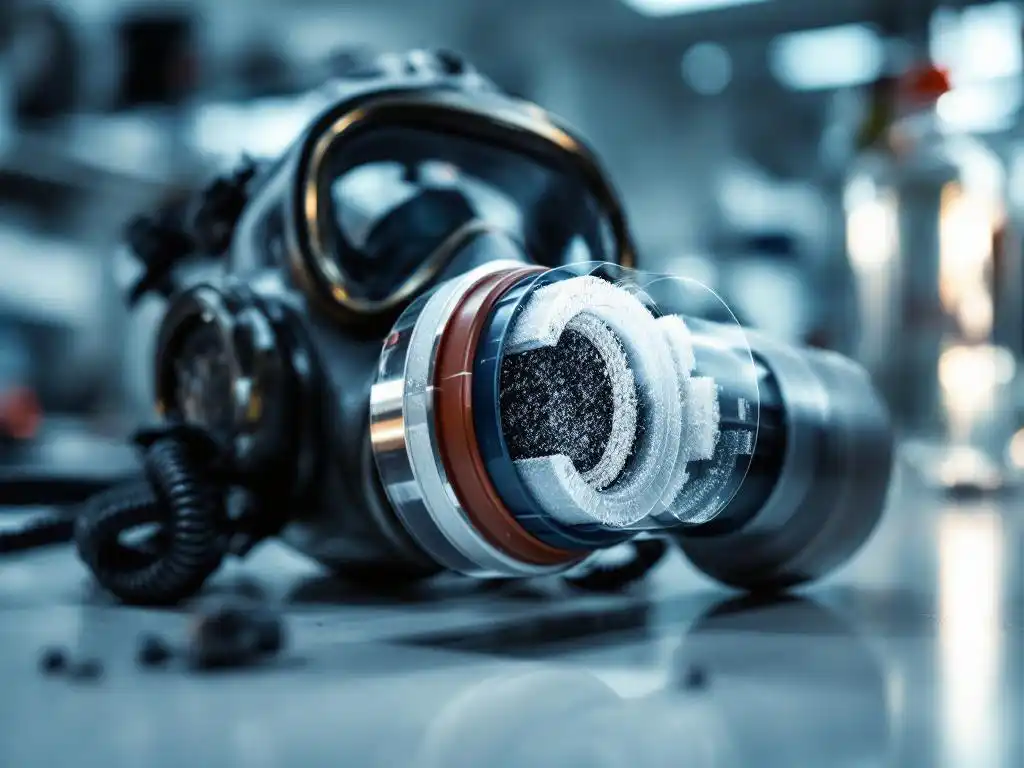
Gas masks use specialised filters designed to protect against different types of airborne hazards. The main categories include particulate filters for dust and particles, chemical cartridges for vapours and gases, and combination filters that offer protection against both. For horticultural professionals, understanding these filter types is essential for the safe handling of personal protection equipment during pesticide applications, substrate work, and greenhouse operations.
What types of filters do gas masks actually use?
Gas masks typically use three main filter categories: particulate filters, chemical cartridges, and combination filters. Particulate filters capture solid particles such as dust, pollen, and biological materials. Chemical cartridges absorb vapours and gases through activated carbon or other chemical media. Combination filters provide dual protection against both particles and chemical vapours.
The P1, P2, and P3 rating system indicates filtration efficiency for particles. P1 filters offer basic protection against low-toxicity dust, suitable for general greenhouse work. P2 filters provide medium protection against moderately toxic particles, ideal for substrate handling and fertiliser application. P3 filters deliver the highest protection against highly toxic particles, essential when working with concentrated pesticides or in enclosed spaces.
For horticultural environments, combination filters often prove most practical. They protect against chemical vapours from pesticides whilst simultaneously filtering out dust particles from substrates, fertilisers, and plant materials. This dual protection is particularly valuable during spray applications, where both chemical exposure and particle inhalation risks exist.
How do you choose the right gas mask filter for agricultural work?
Selecting appropriate filters requires matching the filter type to specific agricultural tasks and chemical hazards. For pesticide spraying, use combination filters with chemical cartridges rated for the specific active ingredients. For greenhouse maintenance and substrate handling, P2 particulate filters typically provide adequate protection against dust and biological particles.
Risk assessment forms the foundation of proper filter selection. Consider the concentration of chemicals being used, the duration of exposure, and working environment conditions. Organic vapour cartridges suit most pesticide applications, whilst acid gas cartridges are necessary when working with fumigants or certain disinfectants.
Match filter specifications to the Safety Data Sheets (SDS) for each chemical product. The SDS indicates required protection levels and compatible filter types. For multi-chemical applications, choose filters that protect against the most hazardous substances present. When uncertainty exists about appropriate protection levels, always select higher-rated filters rather than risk inadequate protection.
Why do gas mask filters need regular replacement in farming?
Gas mask filters require regular replacement because they become saturated with contaminants over time, reducing their protective effectiveness. Chemical cartridges reach breakthrough points where they can no longer absorb vapours effectively. Particulate filters become clogged with dust and particles, increasing breathing resistance and potentially allowing contaminants to pass through.
Agricultural environments accelerate filter degradation due to high humidity, temperature fluctuations, and heavy particle loads. Greenhouse conditions with elevated moisture levels can reduce chemical cartridge lifespan significantly. Storage conditions also affect filter performance: exposure to heat, humidity, or chemical vapours when not in use shortens effective service life.
Replace filters when breathing becomes noticeably difficult, when you detect chemical odours or tastes, or according to manufacturer time limits. Most chemical cartridges have maximum use periods regardless of exposure levels. Keep replacement schedules based on hours of use, environmental conditions, and chemical exposure intensity rather than relying solely on calendar dates.
What’s the difference between disposable and reusable gas mask systems?
Disposable respirators are single-use devices with integrated filters, whilst reusable gas masks feature replaceable cartridges and can be used multiple times. Disposable units offer convenience and lower initial costs but become expensive for regular use. Reusable systems require higher upfront investment but prove more economical for frequent applications.
In terms of protection, reusable gas masks generally provide a better seal and longer-lasting protection. They accommodate various cartridge types for different hazards and typically offer better face-to-mask sealing. Disposable respirators work well for light-duty tasks and occasional use but may not provide adequate protection for high-concentration chemical applications.
Small-scale growers often find disposable respirators sufficient for occasional pesticide applications and general greenhouse work. Larger commercial operations benefit from reusable systems due to frequent use and varied chemical applications. Consider factors such as usage frequency, chemical types, worker training requirements, and long-term cost-effectiveness when choosing between systems.
Hoe Hortus Supplies helpt met persoonlijke bescherming in de tuinbouw
We provide comprehensive personal protection solutions specifically designed for horticultural professionals. Our range of gas masks and filters includes options suitable for every scale of operation, from small greenhouse enterprises to large commercial growing facilities. We understand the unique challenges facing emerging growers and offer expert guidance to ensure proper protection selection.
Our personal protection offerings include:
- Professional-grade reusable gas masks with multiple cartridge options
- Disposable respirators for light-duty applications
- Specialised filters for pesticide application and substrate handling
- Complete protection kits tailored to specific horticultural tasks
- Expert consultation on safety regulation compliance
We support emerging growers with budget-friendly protection solutions without compromising safety standards. Our experienced advisors help assess your specific protection needs and recommend cost-effective systems that grow with your operation. From initial equipment selection to ongoing maintenance support, we ensure your team stays protected whilst maintaining operational efficiency. Contact us today to discuss your personal protection requirements and discover how proper respiratory protection can safeguard your horticultural success.
Frequently Asked Questions
How do I know when my gas mask filter is saturated and needs replacement?
Watch for these warning signs: increased breathing resistance, detection of chemical odours or tastes through the mask, or visible clogging of particulate filters. For chemical cartridges, replace them immediately if you smell or taste chemicals, as this indicates breakthrough. Even without these signs, follow manufacturer time limits - most chemical cartridges have maximum use periods of 8-40 hours depending on concentration and environmental conditions.
Can I use the same filter for different types of pesticides and chemicals?
Not necessarily. Different chemicals require specific cartridge types - organic vapour cartridges work for most pesticides, but acid gas cartridges are needed for fumigants and certain disinfectants. Always check the Safety Data Sheet (SDS) for each chemical to ensure compatibility. When using multiple chemicals, choose a combination filter rated for the most hazardous substance, or change cartridges between different chemical applications.
What's the proper way to store gas mask filters when not in use?
Store unused filters in their original sealed packaging in a cool, dry place away from direct sunlight and chemical vapours. Once opened, chemical cartridges begin absorbing contaminants from the air, so seal them in airtight bags between uses. Avoid storing in hot vehicles, damp areas, or near chemicals, as these conditions reduce filter lifespan significantly.
Do I need different protection levels for indoor greenhouse work versus outdoor spraying?
Yes, enclosed spaces typically require higher protection levels due to poor ventilation and chemical concentration buildup. Indoor greenhouse applications often need P3 particulate filters or higher-rated chemical cartridges. Outdoor spraying may allow P2 filters for particle protection, but still requires appropriate chemical cartridges based on the pesticide concentration and wind conditions.
How do I perform a proper fit test for my gas mask before use?
Perform both positive and negative pressure checks before each use. For positive pressure: cover the exhalation valve and exhale gently - the mask should bulge slightly without air leaking. For negative pressure: cover the cartridge inlets and inhale gently - the mask should collapse slightly against your face. If air leaks occur, readjust straps and check for facial hair or debris interfering with the seal.
What are the most common mistakes growers make with respiratory protection?
Common errors include using expired or wrong filter types, inadequate face seal due to facial hair, sharing masks between workers without proper cleaning, and storing opened cartridges improperly. Many growers also underestimate exposure risks during 'quick tasks' and skip protection, or fail to replace filters based on usage hours rather than calendar time.
Is respiratory protection required for organic or biological pesticide applications?
Yes, even organic and biological products can pose respiratory risks. Many organic pesticides contain oils, botanical extracts, or microbial agents that require protection. Biological control agents like beneficial bacteria or fungi can cause respiratory sensitisation in some individuals. Always check the product SDS - if respiratory protection is recommended, use appropriate filters regardless of the 'organic' or 'biological' designation.