






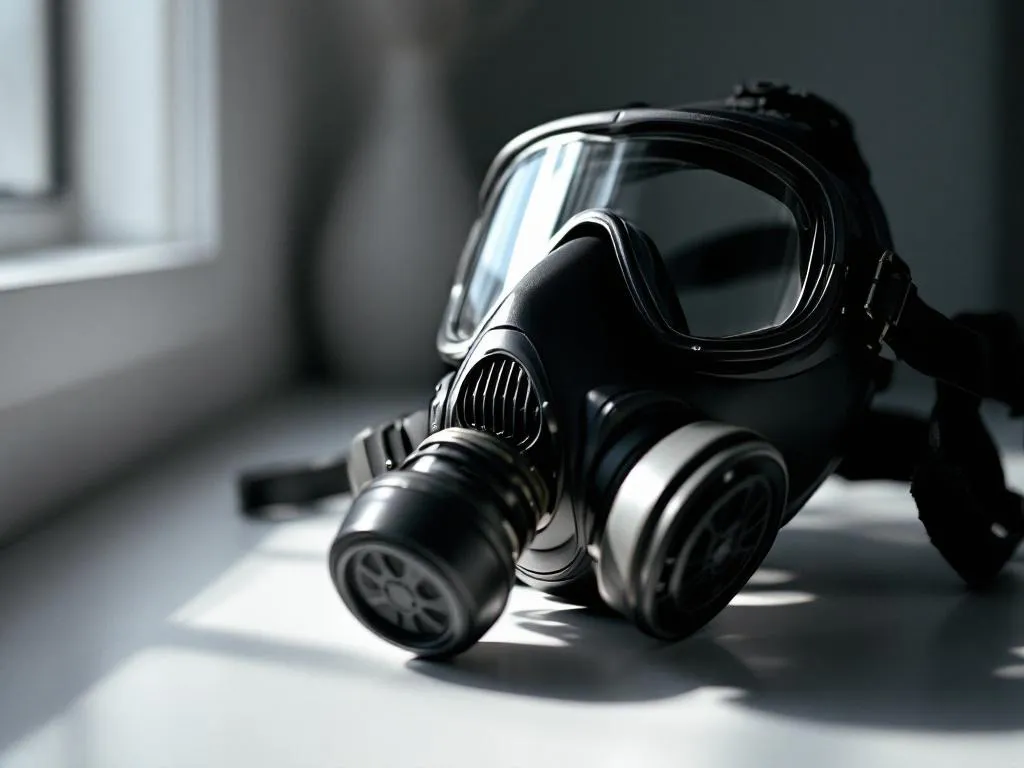
A gas mask is a protective device that covers the face and filters harmful airborne substances before they reach your respiratory system. It creates a sealed barrier around your nose and mouth while using specialised gas masks and filters to remove dangerous chemicals, vapours, and particles from the air you breathe. This comprehensive guide addresses the essential questions about gas mask selection and use in horticultural environments.
What is a gas mask and how does it protect you?
A gas mask is a face-worn respiratory protection device that filters contaminated air through specialised cartridges or canisters. It consists of a facepiece that seals around your face, breathing apparatus with valves, and replaceable filter elements that remove specific hazardous substances from incoming air.
The protection mechanism works through several key components. The facepiece creates an airtight seal against your skin, preventing contaminated air from entering around the edges. When you inhale, air passes through the filter cartridge, where activated carbon, chemical sorbents, or particulate filters remove harmful substances. One-way valves ensure filtered air enters while preventing exhaled air from contaminating the filter system.
Gas masks differ significantly from basic dust masks or respirators. Unlike simple face coverings that only filter particles, gas masks provide comprehensive protection against chemical vapours, gases, and fine particulates. They offer superior sealing properties and use advanced filtration technology specifically designed for hazardous environments found in agricultural and horticultural operations.
What types of gas masks are available for different applications?
Full-face gas masks provide the most comprehensive protection by covering your entire face, including your eyes, nose, and mouth. These models protect against both respiratory hazards and eye irritation from chemical splashes or vapours, making them ideal for greenhouse fumigation and intensive crop protection work.
Half-face respirators cover only the nose and mouth, offering good respiratory protection while maintaining better visibility and communication. These lighter models work well for routine spraying operations and general agricultural tasks where eye protection isn’t critical.
Filter cartridges come in various types for specific hazards. Organic vapour cartridges handle most pesticides and herbicides, while combination filters protect against both particulates and chemical vapours. Ammonia-specific filters are essential for greenhouse operations, and multi-gas cartridges provide broad-spectrum protection for varied agricultural chemicals. Always match your filter type to the specific substances you’re handling.
When should you wear a gas mask in horticultural work?
Gas mask protection is essential during pesticide and herbicide applications, especially when using concentrated formulations or working in enclosed spaces like greenhouses. You should wear appropriate respiratory protection whenever mixing chemicals, applying fumigants, or working in recently treated areas where vapour concentrations remain elevated.
Greenhouse operations frequently require gas masks during soil sterilisation procedures, when using methyl bromide alternatives, or when applying biological control agents that may cause respiratory irritation. Indoor growing environments concentrate airborne chemicals, making respiratory protection crucial even for seemingly routine tasks.
Regulatory requirements vary by location and chemical type, but most agricultural safety standards mandate respiratory protection when handling restricted-use pesticides or working with substances that exceed permissible exposure limits. Professional growers should consult local safety regulations and chemical label instructions to determine specific protection requirements for their operations.
How do you choose the right gas mask for your needs?
Proper fit testing is the most critical selection factor. A gas mask must create an airtight seal around your face to function effectively. Consider facial hair, as even stubble can compromise the seal. Try different sizes and styles to find the most comfortable fit for extended wear periods common in agricultural work.
Filter compatibility determines your protection level and ongoing costs. Choose masks that accept widely available cartridge types relevant to your chemical use patterns. Consider combination filters if you work with varied substances, and factor in replacement frequency when calculating operational expenses.
Comfort features become important during long working sessions. Look for adjustable straps, soft face seal materials, and balanced weight distribution. Good visibility and communication capabilities help maintain work efficiency while ensuring safety. Budget considerations should balance initial equipment costs with ongoing filter replacement expenses and the critical importance of reliable protection.
How personal protection solutions help with agricultural safety?
Comprehensive personal protective equipment solutions create integrated safety systems that protect agricultural workers from multiple hazards simultaneously. Professional-grade gas masks and filters form the foundation of respiratory protection programmes that safeguard long-term health while maintaining operational efficiency.
Key safety benefits include:
- Reduced chemical exposure risks during routine operations
- Enhanced worker confidence and productivity in protected environments
- Compliance with occupational safety regulations and insurance requirements
- Long-term health protection preventing respiratory complications
- Integrated equipment systems that work together seamlessly
Professional consultation services help determine optimal protection strategies for your specific growing operations. Expert guidance ensures proper equipment selection, fit testing, and maintenance protocols that maximise safety effectiveness while managing operational costs.
If you need assistance selecting appropriate respiratory protection for your horticultural operation, our experienced team can provide personalised recommendations based on your specific requirements. Contact us today to discuss comprehensive safety solutions that protect your workers and support your growing success.
Frequently Asked Questions
How often should I replace gas mask filters when working in agricultural environments?
Filter replacement frequency depends on usage intensity and chemical exposure levels. For regular pesticide applications, replace organic vapour cartridges every 8-40 hours of use or when you detect breakthrough odours. In high-concentration environments like greenhouse fumigation, filters may need replacement after each session. Always follow manufacturer guidelines and replace immediately if breathing becomes difficult or chemical odours are detected.
Can I use the same gas mask for different types of agricultural chemicals?
Yes, but only with appropriate filter changes. Never mix different chemical exposures on the same cartridge, as this can reduce effectiveness and create dangerous interactions. Use dedicated filters for each chemical type - organic vapour cartridges for pesticides, ammonia-specific filters for greenhouse work, and combination filters for mixed exposures. Label your cartridges clearly and maintain separate sets for different applications.
What should I do if my gas mask doesn't seal properly due to facial hair?
Facial hair prevents proper sealing and compromises protection effectiveness. Either maintain a clean-shaven face in the seal area or switch to a powered air-purifying respirator (PAPR) system that doesn't rely on face sealing. Loose-fitting PAPRs provide positive pressure protection and work with beards, though they're more expensive and require battery maintenance.
How do I properly clean and maintain my gas mask between uses?
After each use, remove cartridges and wipe down the facepiece with disinfectant wipes or mild soap solution. Inspect the face seal for cracks or damage, and check valve function by covering the cartridge openings and attempting to breathe. Store in a clean, dry location away from direct sunlight and chemicals. Replace elastic straps when they lose tension and maintain a maintenance log for regulatory compliance.
What are the warning signs that my gas mask isn't providing adequate protection?
Immediate warning signs include detecting chemical odours, taste, or eye irritation while wearing the mask. Physical symptoms like dizziness, headaches, or breathing difficulty indicate potential exposure. If the mask feels loose, valves stick, or you hear air leaking around the seal, stop work immediately. Perform regular fit checks by covering cartridge inlets - you should not be able to inhale if the seal is proper.
Are there specific training requirements for using gas masks in agricultural settings?
Most jurisdictions require formal respirator training before use, including proper donning/doffing procedures, fit testing, maintenance protocols, and emergency procedures. Training must be renewed annually and documented for regulatory compliance. Contact your local agricultural extension office or occupational safety authority for specific requirements in your area, as standards vary by location and chemical use classifications.