






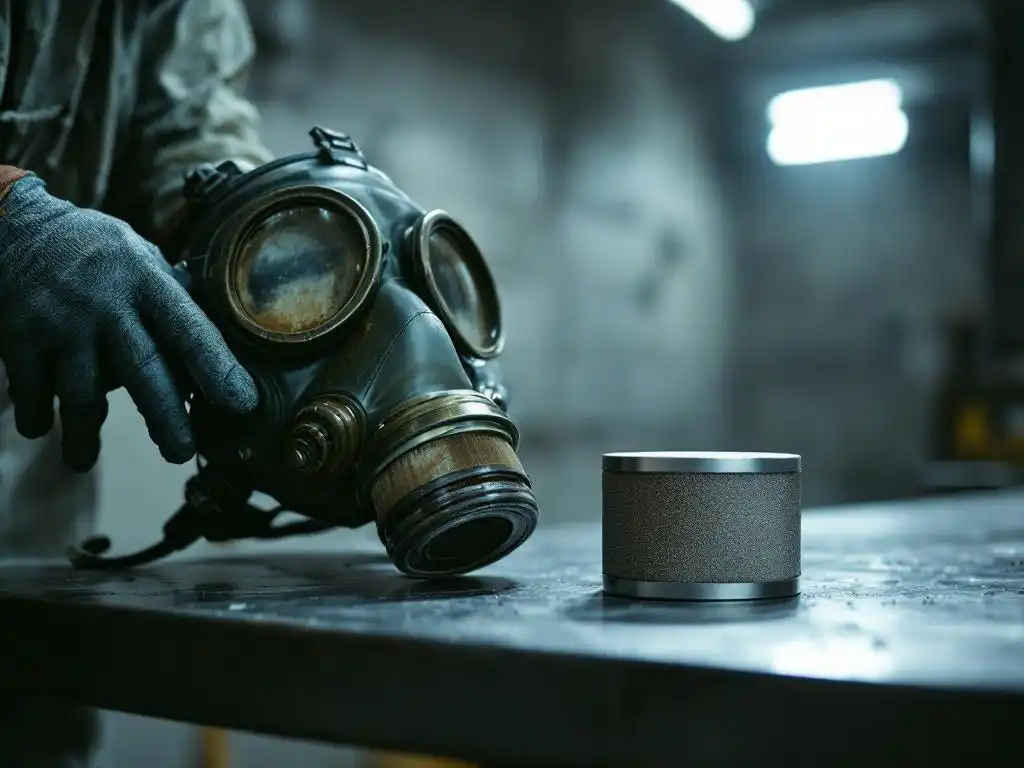
Gas mask filter replacement frequency depends on usage intensity and chemical exposure levels. For horticultural workers using personal protective equipment daily with heavy chemical exposure, filters should be replaced every 8 hours of use or at the end of each workday. Light users may extend replacement to weekly intervals or replace filters when breathing resistance increases. Environmental factors such as humidity and dust also affect filter lifespan, making regular inspection crucial for maintaining respiratory safety.
What are gas mask filters and why do they matter in horticulture?
Gas mask filters are protective cartridges that remove harmful chemicals, pesticides, and airborne particles from the air before you breathe it. They contain activated carbon, chemical sorbents, and particle filters that capture specific contaminants based on their design. In horticulture, these filters protect workers from exposure to crop protection chemicals, fertilizer dust, and biological contaminants.
The importance of proper gas masks and filters in agricultural settings cannot be overstated. Horticultural workers regularly handle pesticides, fungicides, and other chemicals that can cause immediate respiratory irritation or long-term health problems. Without adequate protection, repeated exposure to these substances can lead to chemical sensitivity, lung damage, and other serious health complications.
Modern gas mask filters work through multiple filtration mechanisms. Activated carbon absorbs organic vapors and gases, while particle filters trap dust and aerosols. Some specialized filters include chemical-specific sorbents that neutralize particular compounds. Effectiveness depends on matching the correct filter type to the specific chemicals used in your horticultural operations.
How often should you actually replace gas mask filters?
Filter replacement frequency varies significantly based on usage intensity and exposure conditions. For daily users working with high concentrations of chemicals, filters should be replaced every 8 hours of active use or at the end of each workday. Workers with moderate exposure can typically use filters for 40 hours of use or one working week, provided they monitor for signs of breakthrough.
Environmental conditions dramatically affect replacement schedules. High humidity accelerates filter saturation, while dusty conditions clog particle filters more quickly. Temperature extremes can also reduce filter efficiency. In challenging conditions, you may need to replace filters more frequently than manufacturer recommendations suggest.
Occasional users face different considerations. If you use respiratory protection only weekly or monthly, filters can last longer between uses but still have absolute expiration dates. Unused filters stored properly can remain effective for several years, but once opened and used, they begin to degrade even during storage.
Manufacturer guidelines provide baseline recommendations, but real-world conditions often require more frequent replacement. Keep detailed records of usage hours, chemical exposure types, and environmental conditions to develop replacement schedules specific to your operation.
What are the warning signs that your gas mask filter needs immediate replacement?
Several clear indicators signal the need for immediate filter replacement. Increased breathing resistance is often the first sign, indicating that particle filters are becoming clogged or chemical sorbents are saturating. If you notice any chemical odors or tastes while wearing the mask, this suggests filter breakthrough and requires immediate replacement.
Visual inspection reveals important clues about filter condition. Look for discoloration, cracks, or physical damage to the filter housing. Many chemical filters change color as they become saturated, providing a visual indicator of remaining capacity. Particle filters may appear visibly dirty or clogged with dust and debris.
Physical symptoms while wearing the mask indicate potential filter failure. Headaches, dizziness, throat irritation, or any respiratory discomfort suggest that contaminants are passing through compromised filters. Never ignore these warning signs, as they indicate your respiratory protection has been compromised.
Check expiration dates regularly, as filters have limited shelf lives regardless of usage. Even unopened filters can lose effectiveness over time. Filter maintenance also includes ensuring proper storage between uses, as exposure to moisture or extreme temperatures can accelerate degradation.
How do different chemicals and environments affect filter lifespan?
Chemical type significantly impacts filter longevity and effectiveness. Organic solvents and volatile compounds are readily absorbed by activated carbon filters, but high concentrations can saturate them quickly. Ammonia-based fertilizers require specialized filters and may break through faster than expected. Acidic or basic chemicals can react with filter materials, reducing their protective capacity.
Humidity levels dramatically affect filter performance. High moisture content accelerates the saturation of chemical sorbents and can cause particle filters to clog more rapidly. In greenhouse environments with high humidity, filters may need replacement twice as often as in dry conditions. Conversely, very dry conditions can cause some filter materials to become brittle.
Temperature extremes present additional challenges. Hot conditions increase chemical volatility, leading to faster filter saturation. Cold temperatures can reduce the efficiency of some chemical sorbents. Rapid temperature changes can cause condensation within filters, compromising their effectiveness.
Dust and particle exposure varies greatly between horticultural operations. Greenhouse work typically involves less airborne dust than field operations or potting activities. Operations involving dry fertilizers, growing media, or harvesting create high particle loads that clog filters rapidly. Understanding your specific exposure profile helps determine appropriate replacement intervals.
Storage conditions for unused filters matter significantly. Filters should be stored in cool, dry locations away from chemical vapors. Exposure to contaminants during storage can reduce their protective capacity before first use. Proper storage can extend shelf life, while poor conditions can render filters ineffective even before use.
How Hortus Supplies helps with personal protective equipment
We provide comprehensive personal protective solutions specifically designed for horticultural professionals working with chemicals and biological hazards. Our expertise in crop protection means we understand the unique respiratory challenges faced by growers and can recommend appropriate gas masks and filters for specific applications and chemical exposures.
Our personal protective services include:
- Expert consultation on respiratory protection requirements for specific chemicals and operations
- Supply of professional-grade gas masks and replacement filters suitable for horticultural use
- Guidance on proper maintenance schedules and replacement intervals based on your working conditions
- Training support for proper fitting and use of respiratory protection equipment
- Ongoing technical support to ensure your safety equipment remains effective
Safety in horticultural operations requires more than just having protective equipment; it demands understanding how to use and maintain it properly. Our experienced team works with growers to develop comprehensive safety protocols that protect workers while maintaining operational efficiency. Contact us to discuss your specific respiratory protection needs and ensure your team has the right equipment and knowledge to work safely with agricultural chemicals.
Frequently Asked Questions
Can I clean and reuse gas mask filters to extend their lifespan?
No, gas mask filters should never be cleaned or reused. The activated carbon and chemical sorbents inside filters cannot be regenerated through cleaning, and attempting to wash them can damage the filter media and compromise protection. Always replace filters with new ones when they reach their replacement interval or show signs of saturation.
How should I store unused gas mask filters to maximize their shelf life?
Store unused filters in their original sealed packaging in a cool, dry location away from direct sunlight and chemical vapors. Ideal storage temperature is between 50-80°F with low humidity. Keep filters away from areas where pesticides or fertilizers are stored, as exposure to these vapors can reduce filter effectiveness even before use.
What's the difference between P100, N95, and chemical cartridge filters for horticultural work?
P100 filters provide the highest particle protection (99.97% efficiency) and resist oil-based particles, making them ideal for pesticide spraying. N95 filters offer basic particle protection but aren't oil-resistant. Chemical cartridge filters contain activated carbon for vapor protection and are essential when working with volatile pesticides, fungicides, or fumigants that produce harmful gases.
How do I know if I'm using the right type of filter for the chemicals I'm working with?
Check the Safety Data Sheet (SDS) for each chemical to identify specific respiratory hazards and recommended protection levels. Match filter specifications to the chemical classes you're using - organic vapor cartridges for most pesticides, acid gas cartridges for fumigants, and combination filters for mixed exposures. When in doubt, consult with a safety professional or your equipment supplier.
What should I do if I accidentally exceed the recommended filter replacement time?
Replace the filter immediately and monitor yourself for any respiratory symptoms over the next 24-48 hours. If you experience persistent coughing, throat irritation, or breathing difficulties, seek medical attention. Document the incident and review your replacement schedule to prevent future occurrences. Consider setting calendar reminders or using hour-tracking systems to avoid exceeding replacement intervals.
Is it safe to switch between different brands of filters on the same gas mask?
Only use filters that are specifically certified compatible with your gas mask model. Different manufacturers use different threading and sealing systems, and mixing brands can create dangerous leaks. Always check that replacement filters have the same NIOSH approval ratings and are designed for your specific mask model to ensure proper protection.
How can I track filter usage hours across multiple workers and shifts?
Implement a filter tracking system using logbooks, digital timers, or smartphone apps to record start times, chemical exposures, and cumulative hours for each filter. Label filters with start dates and user names, and establish clear handoff procedures between shifts. Consider using color-coded systems or digital tracking tools designed for industrial safety management to maintain accurate records.