






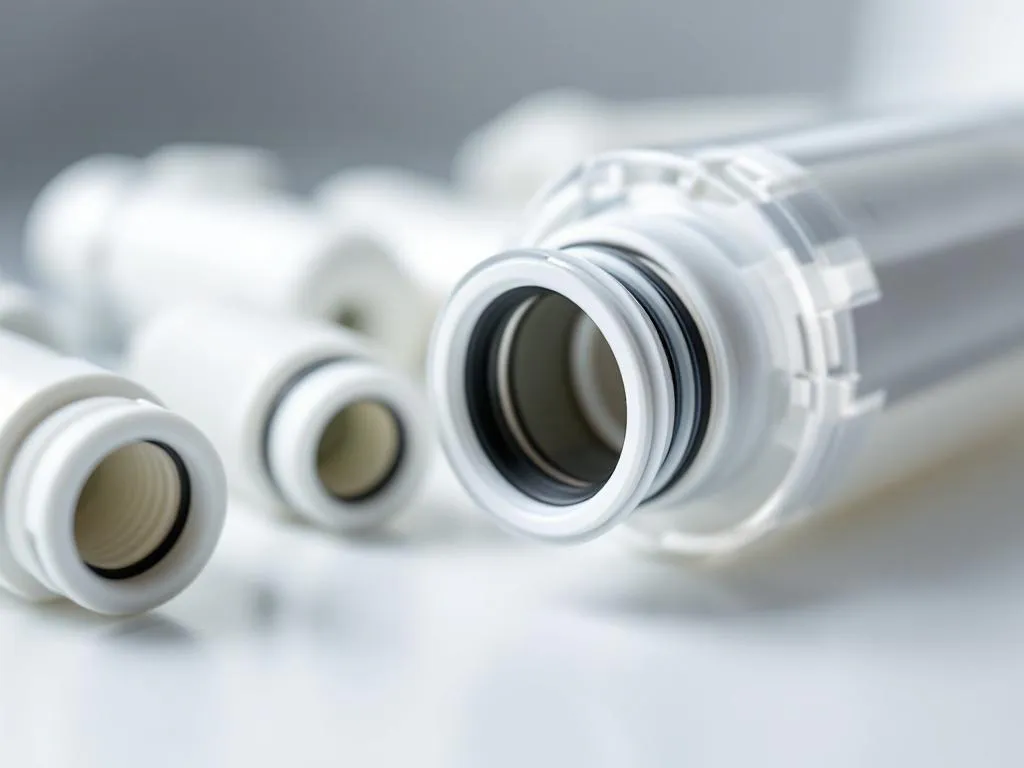
Filter cartridge compatibility in horticulture refers to ensuring that filtration components match your growing system’s specific requirements, including water quality needs, flow rates, and technical specifications. Proper compatibility is essential for maintaining optimal water quality, protecting plant health, and preventing costly system failures. Understanding compatibility factors helps growers select the right filtration solutions for their unique growing conditions and operational requirements. This guide addresses the most important questions about achieving proper filter cartridge compatibility in horticultural operations, including the need for appropriate personal protective equipment when handling filtration systems.
What is meant by filter cartridge compatibility?
Filter cartridge compatibility means selecting filtration components that properly match your horticultural system’s physical dimensions, performance requirements, and operating conditions. This includes ensuring correct sizing, appropriate filtration capacity, suitable materials for your water chemistry, and proper flow-rate specifications. Compatible filters integrate seamlessly with existing equipment while delivering consistent water quality for optimal plant growth.
The fundamental principle involves matching three key compatibility factors: physical specifications, performance requirements, and environmental conditions. Physical compatibility covers dimensions such as length, diameter, and connection types that must align with your housing system. Performance compatibility addresses filtration capacity, micron ratings, and flow rates needed for your specific growing operation.
Environmental compatibility considers factors such as water temperature, pH levels, chemical composition, and pressure requirements. Different growing systems create varying demands on filtration equipment. Greenhouse operations may require different specifications than outdoor growing systems due to controlled-environment conditions and intensive water-use patterns.
Material compatibility is equally important, as certain filter media perform better with specific water chemistries or growing solutions. Some cartridges work optimally under acidic conditions, while others are better suited to alkaline environments. Understanding these relationships prevents premature filter degradation and maintains consistent water quality throughout growing cycles.
Why does filter cartridge compatibility matter in greenhouse operations?
Proper filter cartridge compatibility directly impacts water quality consistency, plant health outcomes, system efficiency, and long-term operating costs in greenhouse environments. Incompatible filters can cause pressure drops, reduced flow rates, contamination issues, and equipment damage. Compatible filtration ensures reliable water treatment, protects sensitive crops, and maintains optimal growing conditions throughout production cycles.
Water quality consistency becomes critical in controlled growing environments where plants depend on precise nutrient delivery and contamination-free irrigation. Incompatible filters may allow harmful particles, bacteria, or chemical contaminants to pass through, potentially damaging crops and reducing yields. System efficiency suffers when filters do not match flow requirements, creating pressure imbalances that strain pumps and distribution equipment.
Long-term operating costs increase significantly with incompatible filtration choices. Incorrectly sized cartridges may require frequent replacement, while inappropriate materials can fail prematurely under specific water conditions. Pressure-rating mismatches can cause catastrophic filter failures, leading to system downtime and potential crop losses during critical growing periods.
Plant health outcomes depend heavily on consistent water quality parameters. Compatible filtration maintains stable conditions that support healthy root development, nutrient uptake, and disease prevention. Greenhouse operations typically involve higher plant densities and more intensive growing methods, making reliable filtration essential for maintaining productive growing environments and protecting valuable crops from water-related stress factors.
How do you determine the right filter cartridge for your growing system?
Determining the right filter cartridge requires a systematic evaluation of your water source quality, flow-rate requirements, system pressure specifications, and specific filtration goals. Start by testing your water supply for contaminants, pH levels, and particle content. Then assess your system’s flow capacity, pressure ratings, and housing dimensions to ensure proper physical and performance compatibility.
Begin with comprehensive water quality testing to identify specific contaminants requiring removal. Test for sediment levels, bacterial content, chemical composition, pH ranges, and dissolved minerals that might affect plant health. This baseline assessment determines the filtration technology and micron ratings needed for effective treatment.
Flow-rate calculations are essential for maintaining adequate water pressure throughout your growing system. Measure peak-demand periods when irrigation systems operate at maximum capacity. Filter selection must accommodate these peak flows without creating pressure drops that compromise distribution efficiency or strain system components.
System pressure specifications require careful matching to prevent filter housing failures or inadequate filtration performance. Check the maximum operating pressures for your existing equipment and select cartridges rated appropriately for these conditions. Consider pressure fluctuations that occur during normal operating cycles.
Housing compatibility involves measuring existing filter housings for length, diameter, and connection specifications. Standard sizes include 10-inch, 20-inch, and 40-inch lengths with various diameter options. Connection types must match your plumbing configuration to ensure proper sealing and secure installation without requiring extensive modifications to existing systems.
What are the most common filter cartridge compatibility issues in horticulture?
Common compatibility issues include incorrect sizing leading to poor sealing, inadequate flow capacity causing pressure drops, chemical incompatibility resulting in premature filter degradation, and pressure-rating mismatches creating safety hazards. Material incompatibility with specific water chemistries, incorrect micron ratings for contamination levels, and housing connection problems also frequently occur in horticultural filtration systems.
Sizing mismatches represent the most frequent compatibility problem, occurring when cartridge dimensions do not properly fit existing housings. Incorrect length, diameter, or end-cap specifications prevent proper sealing, allowing unfiltered water to bypass the filtration media. This compromises water quality and defeats the purpose of the filtration investment.
Flow capacity issues arise when selected cartridges cannot handle required flow rates without excessive pressure drops. Undersized filters restrict water flow, reducing irrigation efficiency and potentially damaging pumps through increased back pressure. Chemical incompatibility occurs when filter materials react poorly with specific water chemistries or growing solutions, causing rapid degradation and frequent replacement.
Pressure-rating problems create serious safety concerns when cartridges cannot withstand system operating pressures. Overpressurisation can cause catastrophic filter failures, flooding, equipment damage, and potential injury to workers. Material selection errors include choosing inappropriate filter media for specific contaminants, resulting in inadequate filtration performance.
Micron-rating mistakes involve selecting filters that are either too coarse, allowing harmful contaminants through, or too fine, creating unnecessary pressure restrictions. Connection compatibility issues prevent proper installation and sealing, leading to leaks and system inefficiencies that compromise overall filtration effectiveness and operational reliability.
How Hortus Supplies International helps with filter cartridge compatibility
We provide comprehensive filtration consultation services to ensure proper cartridge compatibility for your specific growing operation. Our technical experts assess your water quality requirements, system specifications, and operational needs to recommend optimal filtration solutions. We offer an extensive product range covering various compatibility requirements, from standard greenhouse applications to specialised growing systems requiring custom filtration approaches.
Our compatibility assessment services include:
- Water quality analysis and filtration requirement evaluation
- System specification review and compatibility verification
- Technical guidance for filter selection and sizing
- Installation support and performance optimisation recommendations
- Ongoing maintenance planning and replacement scheduling
We maintain comprehensive inventories of compatible filter cartridges suitable for diverse horticultural applications. Our technical team understands the unique challenges facing growing operations and provides practical solutions that balance performance requirements with operational budgets. We support both established operations and emerging growers with scalable filtration solutions that grow with your business.
Professional filtration guidance prevents costly compatibility mistakes and ensures reliable water quality for your crops. Contact our filtration specialists today to discuss your specific compatibility requirements and discover optimal solutions for your growing operation’s unique needs.
Frequently Asked Questions
How often should I replace filter cartridges in my horticultural system?
Replacement frequency depends on water quality, flow rates, and contamination levels, but typically ranges from 3-6 months for standard applications. Monitor pressure differentials across filters - when pressure drop increases by 50% or more from baseline, it's time to replace. High-contamination environments may require monthly changes, while clean water sources might extend cartridge life to 8-12 months.
Can I mix different brands of filter cartridges in the same system?
Yes, you can mix brands as long as each cartridge meets the physical dimensions, flow rates, and pressure ratings of your system. However, ensure consistent micron ratings and filtration technologies across the system to maintain uniform water quality. Different brands may have varying lifespans, so track replacement schedules separately to avoid maintenance confusion.
What should I do if my current filter cartridges are causing pressure drops?
First, check if cartridges are clogged and need replacement, as this is the most common cause. If new cartridges still cause pressure drops, you likely need larger diameter cartridges or multiple parallel filter housings to handle your flow requirements. Consider upgrading to pleated cartridges which offer higher surface area and better flow characteristics than standard wound cartridges.
How do I know if my water chemistry is damaging my filter cartridges?
Signs include cartridges degrading faster than expected, unusual discoloration, brittle or soft filter media, and inconsistent filtration performance. Test your water's pH, chlorine levels, and chemical composition against the cartridge manufacturer's compatibility charts. Extreme pH levels (below 4 or above 9) and high chlorine concentrations are particularly damaging to many filter materials.
What's the difference between absolute and nominal micron ratings for horticultural filtration?
Absolute ratings guarantee that 99.9% of particles at the specified size will be removed, while nominal ratings typically capture 85-95% of particles. For critical applications like hydroponic nutrient solutions or disease prevention, choose absolute-rated cartridges. Nominal ratings are suitable for general sediment removal and pre-filtration applications where some particle passage is acceptable.
Can I retrofit my existing filter housings with higher-performance cartridges?
Often yes, but verify that new cartridges match your housing's pressure rating, temperature limits, and chemical compatibility. Higher-performance cartridges may create increased pressure drops, so ensure your pumps can handle the additional load. Some advanced cartridges require specific housing features like bypass valves or differential pressure gauges for optimal performance.
What safety precautions should I take when changing filter cartridges in horticultural systems?
Always depressurize the system and shut off water flow before cartridge changes. Wear appropriate personal protective equipment including gloves and eye protection, as used cartridges may contain concentrated contaminants or chemicals. Dispose of used cartridges according to local regulations, especially if they've filtered pesticides or other hazardous materials from your growing operation.