






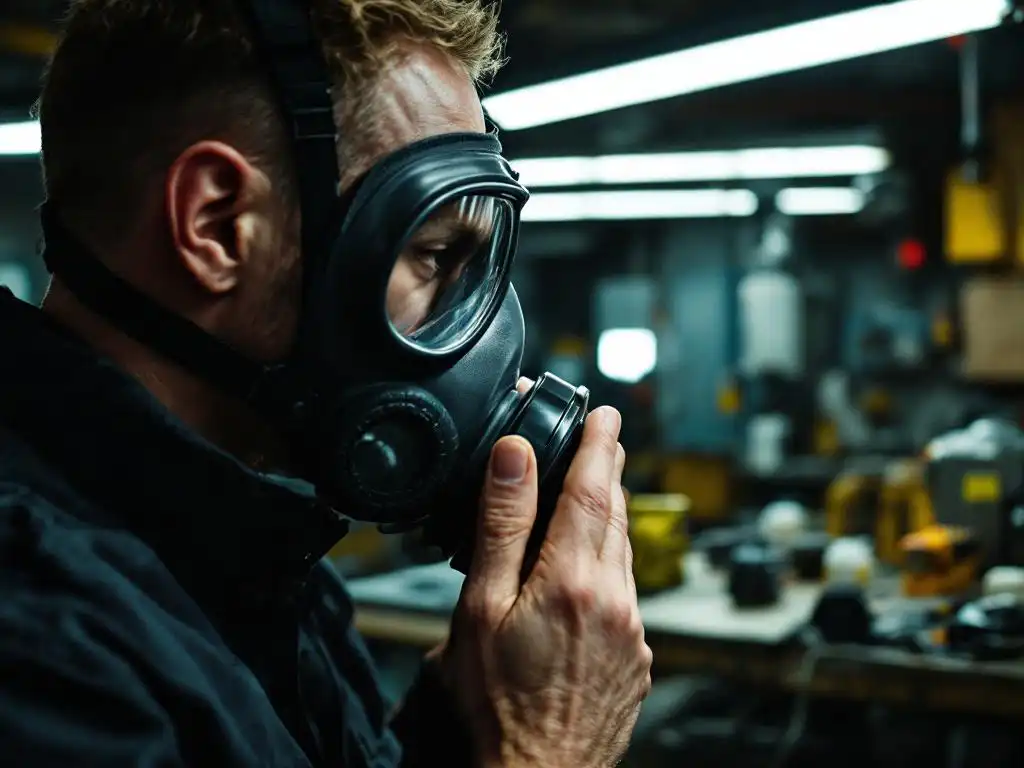
Gas mask fitting errors occur when a respirator fails to create a proper seal against your face, allowing contaminated air to bypass the filters. The most common mistakes include selecting the wrong size, inadequate seal testing, and wearing the mask with facial hair. These errors can expose you to harmful chemicals and pesticides, which is particularly dangerous in agricultural environments where crop protection products are frequently used. Understanding proper fitting procedures is essential for maintaining safety during horticultural work.
What are the most dangerous gas mask fitting mistakes that compromise protection?
The most dangerous fitting mistakes create immediate pathways for contaminated air to enter your breathing zone. Selecting the wrong size is the primary culprit, as masks that are too large or too small cannot form an adequate seal around your face. Many users assume one size fits all, but respirator sizing varies significantly between manufacturers and models.
Facial hair presents another critical risk factor. Even stubble can prevent a proper seal, creating gaps that allow chemicals to bypass gas masks and filters entirely. For the respirator to function effectively, the seal must contact clean-shaven skin.
Skipping seal testing is perhaps the most dangerous oversight. Without proper positive and negative pressure checks before each use, you cannot verify that the respirator is working correctly. This leaves you vulnerable to chemical exposure without realising that protection has been compromised.
Improper strap adjustment also compromises safety. Overtightening can distort the mask and break the seal, while loose straps allow the respirator to shift during movement, creating gaps around the face seal.
How do you know if your gas mask fits properly and provides adequate protection?
Proper fit verification requires systematic testing before entering any hazardous environment. Positive pressure testing involves covering the exhalation valve and breathing out gently. The mask should balloon slightly and maintain pressure without air leaking around the face seal.
For negative pressure testing, cover the filter inlet and inhale gently. The mask should collapse slightly against your face and maintain suction. If air enters around the edges, the seal is inadequate and requires adjustment or a different size.
Visual indicators of proper fit include:
- The mask sits comfortably without pressure points.
- No gaps are visible between the seal and your face.
- The respirator doesn’t shift when you move your head.
- You can breathe normally without excessive resistance.
Professional fit testing using specialised equipment provides the most reliable verification. This involves wearing the respirator in a controlled atmosphere to ensure no leakage occurs during various movements and breathing patterns.
Why do gas masks fail even when they seem to fit correctly?
Hidden fitting failures often develop gradually and aren’t immediately obvious during initial testing. Seal degradation occurs as rubber and silicone materials age, losing elasticity and conformability. Temperature extremes accelerate this process, making seals brittle or overly soft.
Physical changes affect respirator performance over time. Weight fluctuations, dental work, and facial injuries can alter face shape enough to compromise a previously good fit. Regular fit testing accounts for these changes.
Filter loading creates breathing resistance that can break face seals. As filters capture contaminants, airflow decreases, causing users to breathe harder and potentially disturbing the mask’s position.
Sweat and moisture accumulation inside the mask can cause it to slip or shift position. This is particularly problematic during extended wear in hot, humid conditions common in greenhouse environments.
Component wear affects overall performance. Stretched headbands, worn valve seats, and damaged face seal materials all contribute to gradual protection loss that may not be immediately apparent.
What should you check before putting on a gas mask in agricultural settings?
Pre-use inspection helps prevent equipment failures that could result in chemical exposure during crop protection activities. Visual examination should identify any cracks, tears, or distortion in the facepiece, particularly around the seal area where flexibility is crucial.
Essential pre-use checks include:
- Verify the correct filter type for the chemicals being used.
- Check filter expiration dates and condition.
- Inspect all straps for elasticity and secure attachment.
- Examine valves for proper seating and movement.
- Ensure clean storage and handling.
Filter compatibility requires careful attention in agricultural settings where multiple chemical types may be present. Using incorrect filters provides no protection and creates a false sense of security. Always match filter specifications to the specific pesticides or chemicals being applied.
Environmental factors affect mask performance. High humidity can fog facepieces and affect breathing comfort. Wind conditions may require additional consideration for filter selection and mask positioning.
Clean the facepiece before use, removing any residue from previous applications. Contaminated masks can expose you to chemicals even before entering the treatment area.
How does Hortus Supplies International help with gas mask fitting and selection?
We provide comprehensive personal protective equipment solutions specifically designed for horticultural professionals working with crop protection products. Our expertise ensures you select appropriate gas masks and filters that match your specific application requirements and working conditions.
Our support includes:
- Expert consultation on respirator selection for specific chemicals.
- Guidance on proper fitting procedures and testing protocols.
- Training resources for safe equipment use and maintenance.
- Access to professional-grade protective equipment.
- Ongoing support for equipment updates and replacements.
We understand the unique challenges facing emerging horticultural entrepreneurs and provide practical solutions that balance safety requirements with budget considerations. Our experienced advisors help you build comprehensive safety programmes that protect your workers while supporting business growth.
For professional guidance on selecting and fitting appropriate respiratory protection for your horticultural operations, contact our safety specialists, who can provide personalised recommendations based on your specific needs and applications.
Frequently Asked Questions
How often should I replace my gas mask filters when working with different pesticides?
Filter replacement depends on usage intensity and chemical types, but generally should occur after 8 hours of active use or when breathing becomes noticeably difficult. For highly toxic chemicals like organophosphates, replace filters more frequently and never reuse them across different chemical applications. Always check manufacturer guidelines and replace immediately if you detect any odor or taste breakthrough.
Can I use the same gas mask for multiple workers, or does each person need their own?
Each worker must have their own properly fitted gas mask for both safety and hygiene reasons. Sharing masks compromises the fit testing process and can spread infections or skin conditions. Additionally, facial dimensions vary significantly between individuals, making it impossible to ensure proper protection when masks are shared between different users.
What should I do if my gas mask fogs up during extended use in greenhouse conditions?
Fogging indicates moisture buildup and potential seal issues. Use anti-fog treatments specifically designed for respirator lenses, ensure proper ventilation when possible, and consider masks with better moisture management systems. If fogging persists, take breaks in clean air areas to allow the mask to clear, but never remove the mask while in contaminated environments.
How do I properly store gas masks between uses to maintain their effectiveness?
Clean masks thoroughly after each use with mild soap and water, then air dry completely before storage. Store in a clean, dry location away from direct sunlight and temperature extremes. Use protective bags or containers to prevent contamination and physical damage. Never store masks in areas where chemicals are present, as residual vapors can contaminate the equipment.
What are the warning signs that my gas mask seal is failing during use?
Immediate warning signs include detecting chemical odors or tastes, eye or throat irritation, or feeling air movement around the face seal. Physical indicators include the mask shifting position, unusual breathing resistance, or moisture accumulation in unexpected areas. If you experience any of these symptoms, immediately exit the contaminated area and check your equipment in a safe environment.
Do I need different gas mask sizes for seasonal workers with varying facial structures?
Yes, maintaining multiple mask sizes is essential for accommodating different workers throughout the season. Conduct individual fit testing for each new worker and keep small, medium, and large sizes available. Document each worker's proper size and any special fitting requirements to ensure consistent protection when they return for future seasons.
How can I train new employees on proper gas mask fitting when I'm not an expert myself?
Start with manufacturer training materials and video demonstrations, but consider hiring a safety consultant for initial training sessions. Document your standard procedures and create checklists for pre-use inspections and fit testing. Partner with your equipment supplier for ongoing training support, and ensure at least one experienced team member becomes proficient in fit testing procedures to train others.