






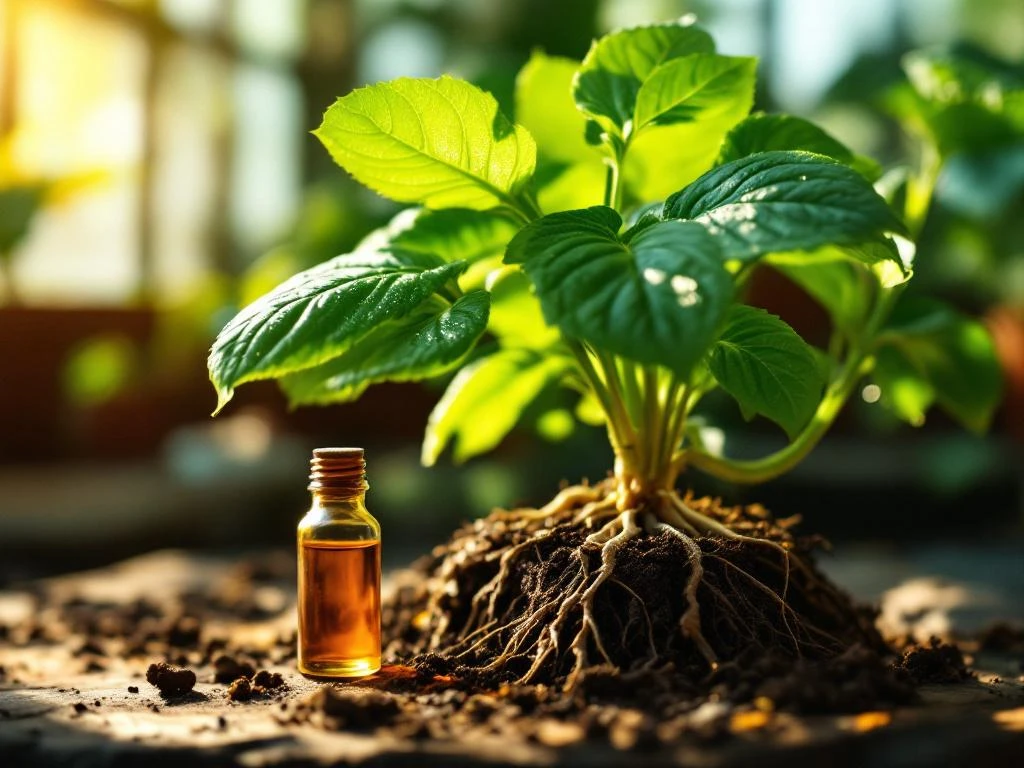
Bio stimulants enhance plant natural defenses by activating internal immune systems and strengthening cellular responses to stress and disease. These natural substances work at the molecular level to boost plant resilience, improve stress tolerance, and increase production of defensive compounds. Understanding how bio stimulants function helps growers implement effective crop protection strategies that complement traditional approaches.
What are bio stimulants and how do they work in plants?
Bio stimulants are natural substances that enhance plant physiological processes and strengthen internal defense mechanisms without providing direct nutrition. They contain active compounds like amino acids, humic acids, seaweed extracts, and beneficial microorganisms that interact with plant cellular systems.
These substances work by triggering specific biological pathways within plants. Amino acids serve as building blocks for proteins involved in stress response, while humic acids improve nutrient uptake and root development. Seaweed extracts contain natural hormones and growth regulators that activate defense genes. Beneficial microorganisms form symbiotic relationships with plant roots, enhancing nutrient availability and creating protective barriers against harmful pathogens.
The mechanism involves cellular signaling where bio stimulants activate dormant defense pathways. This process strengthens cell walls, increases antioxidant production, and improves the plant’s ability to recognize and respond to threats. Unlike synthetic chemicals, bio stimulants work with natural plant processes rather than overriding them.
How do bio stimulants strengthen plant immune systems against diseases?
Bio stimulants activate plant defense genes and increase production of natural antimicrobial compounds, creating stronger resistance against pathogens. They enhance systemic acquired resistance, which helps plants recognize and respond more effectively to disease threats throughout their entire structure.
The strengthening process occurs through multiple mechanisms. Bio stimulants trigger the production of phytoalexins, natural compounds that inhibit fungal and bacterial growth. They also stimulate the formation of lignin and other structural proteins that reinforce cell walls, making it harder for pathogens to penetrate plant tissues.
Enhanced immune response includes improved recognition systems where plants can identify potential threats earlier and mount faster defensive responses. This plant protection approach creates lasting resistance that continues working even after the bio stimulant application ends. The strengthened immune system also helps plants recover more quickly from disease pressure when it does occur.
What’s the difference between bio stimulants and traditional fertilizers for plant health?
Bio stimulants enhance natural plant processes and defense mechanisms, while traditional fertilizers provide direct nutrition through essential nutrients like nitrogen, phosphorus, and potassium. Bio stimulants work at lower application rates and focus on optimizing existing plant functions rather than supplying raw materials for growth.
The mode of action differs significantly between these approaches. Fertilizers feed plants by supplying nutrients that become building blocks for growth and development. Bio stimulants act more like biological catalysts, improving how efficiently plants use available nutrients and strengthening their natural capabilities.
Both approaches complement each other in integrated crop protection management. Fertilizers ensure plants have adequate nutrition for healthy development, while bio stimulants optimize how plants utilize those nutrients and defend themselves. This combination creates more resilient crops that can better withstand stress while maintaining productive growth. The synergistic effect often produces better results than using either approach alone.
How do bio stimulants help plants survive environmental stress conditions?
Bio stimulants help plants cope with abiotic stress factors like drought, temperature extremes, and salinity by improving root development, enhancing water retention, and activating stress-response proteins. They strengthen cellular membranes and increase production of protective compounds that shield plants from environmental damage.
During drought conditions, bio stimulants promote deeper root growth and improve water uptake efficiency. They also help plants maintain cellular integrity under water stress by increasing osmolyte production, which protects cell membranes from damage. Enhanced root systems create better access to available soil moisture.
Temperature stress tolerance improves through increased production of heat shock proteins and cold-protective compounds. Bio stimulants help maintain photosynthetic efficiency under extreme conditions and reduce oxidative damage from environmental stress. This plant protection extends growing seasons and maintains productivity during challenging weather conditions.
When should growers apply bio stimulants for maximum plant defense benefits?
Apply bio stimulants preventively during early growth stages and before anticipated stress periods for maximum defense benefits. Key timing includes seedling establishment, pre-flowering, and during environmental stress conditions like drought or temperature extremes.
Preventive applications work best because they allow plants time to build stronger defense systems before encountering threats. Apply bio stimulants 2-3 weeks before expected stress periods, such as hot summer months or known disease pressure times. This timing gives plants adequate opportunity to strengthen cellular defenses and activate protective mechanisms.
Integration with existing crop protection practices requires coordinated scheduling. Apply bio stimulants between traditional pesticide or fertilizer applications to avoid interference. Regular applications throughout the growing season maintain consistent defense enhancement, with frequency depending on crop type and growing conditions. Monitor plant response and adjust timing based on observed stress levels and environmental conditions.
Hoe Hortus helpt met bio stimulanten voor plantweerbaarheid
We provide comprehensive bio stimulant solutions specifically designed to enhance plant natural defenses and improve crop resilience. Our portfolio includes advanced formulations that strengthen immune systems, improve stress tolerance, and integrate seamlessly with existing crop protection programs.
Our bio stimulant offerings include:
- Amino acid-based formulations for enhanced stress response
- Seaweed extract products for improved plant vigor
- Humic acid solutions for better nutrient uptake
- Microbial bio stimulants for root zone protection
- Technical support for optimal application timing
Professional growers benefit from our expertise in developing customised plant protection strategies that combine bio stimulants with traditional crop management practices. Our comprehensive range of horticultural products includes specialized bio stimulant formulations designed to maximize plant defense capabilities. Contact us today to discuss how our bio stimulant solutions can strengthen your crops’ natural defenses and improve overall plant health outcomes.
Frequently Asked Questions
How long does it take to see results after applying bio stimulants?
Initial physiological changes begin within 24-48 hours, but visible improvements typically appear within 1-2 weeks. Stress tolerance benefits develop over 3-4 weeks of consistent use.
Can bio stimulants be mixed with other crop protection products?
Most bio stimulants are compatible with common pesticides and fertilizers, but always conduct a jar test first. Check product labels for compatibility and apply separately when in doubt.
Are bio stimulants suitable for organic farming?
Many bio stimulants are approved for organic use. Look for OMRI-listed products and verify with your certifier before use, as approval varies by product and region.