






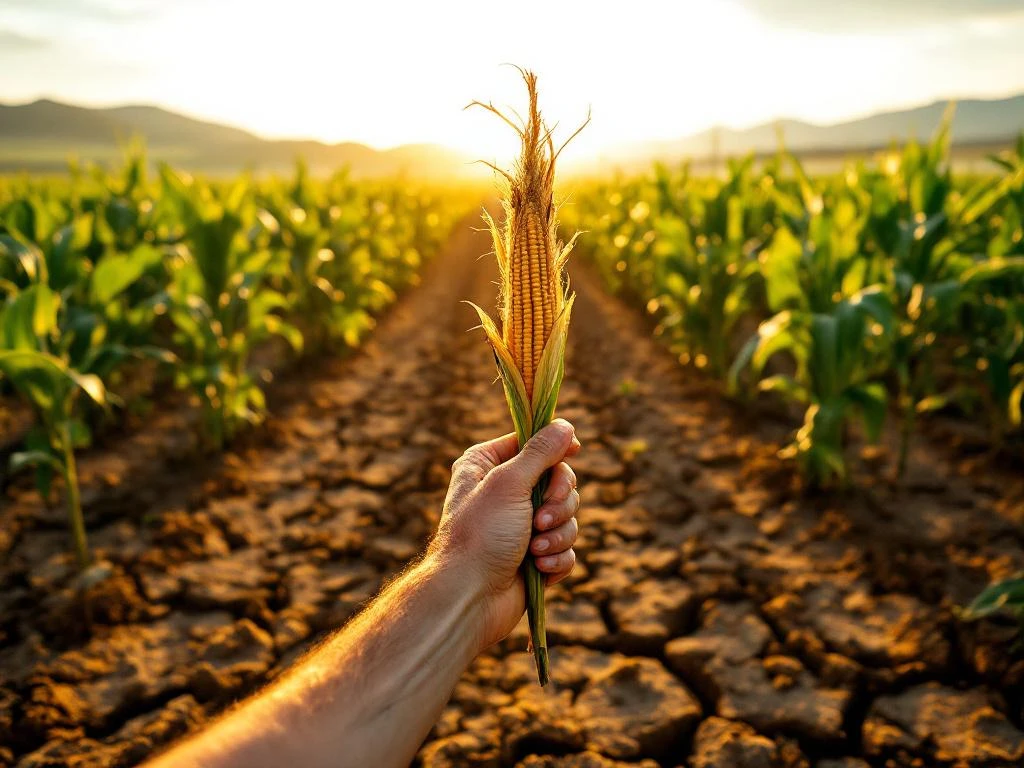
Climate change significantly alters crop protection needs by intensifying pest pressure, expanding disease ranges, and creating unpredictable weather patterns. Rising temperatures accelerate pest life cycles whilst extreme weather events stress plants, making them more vulnerable to threats. Modern growers must adapt their plant protection strategies to address these evolving challenges and maintain productive yields.
What specific challenges does climate change create for crop protection?
Climate change creates multiple interconnected challenges for crop protection through rising temperatures, altered precipitation patterns, extreme weather events, and shifting pest populations. These changes fundamentally disrupt traditional growing conditions and require comprehensive adaptation strategies.
Rising temperatures accelerate pest development cycles, allowing multiple generations per season where previously only one or two occurred. This intensification means growers face prolonged pest pressure throughout growing seasons. Simultaneously, changing precipitation patterns create either drought stress or waterlogged conditions, both of which weaken plant defenses and increase susceptibility to diseases.
Extreme weather events such as sudden temperature fluctuations, intense storms, and unexpected frosts create additional stress on crops. These conditions compromise plant immunity systems, making them more vulnerable to opportunistic pathogens and pests. The unpredictability of these events makes traditional protection scheduling less reliable.
New pest species are expanding their geographical ranges as temperature zones shift. Previously cold-limited pests now survive in regions where they were historically absent, whilst established beneficial insects may struggle to adapt as quickly as harmful species.
How are pest and disease patterns changing due to climate shifts?
Warmer temperatures expand pest ranges northward and to higher altitudes, introducing new threats to regions with limited resistance experience. Pest life cycles accelerate, creating overlapping generations and extended periods of crop vulnerability throughout growing seasons.
Many insects complete development faster in warmer conditions, leading to population explosions that overwhelm traditional control measures. Invasive species establish more easily in climatically stressed environments where native beneficial insects are struggling to maintain populations.
Disease pressure patterns shift as fungal and bacterial pathogens thrive in altered humidity and temperature conditions. Wet, warm conditions favour fungal diseases, whilst drought stress followed by sudden moisture creates ideal conditions for root rot and other soil-borne diseases.
Vector-borne diseases spread more rapidly as insect vectors expand their ranges and increase their activity periods. Aphids, thrips, and other disease-carrying insects remain active longer into traditional dormant seasons, extending transmission periods for viral and bacterial plant diseases.
Traditional disease forecasting models become less reliable as historical weather patterns no longer predict current conditions accurately. This uncertainty makes preventive treatments more challenging to time effectively.
What crop protection strategies work best in changing climates?
Integrated pest management (IPM) approaches combined with climate-resilient varieties and adaptive timing strategies provide the most effective protection in changing climates. These comprehensive methods address multiple stress factors simultaneously whilst building long-term resilience.
Climate-resilient varieties form the foundation of adaptive crop protection. These cultivars possess enhanced resistance to heat stress, drought, and emerging pest pressures. Selecting varieties bred for local climate projections rather than historical conditions improves baseline plant health and natural defense capabilities.
Adaptive timing strategies involve monitoring real-time weather conditions and pest development rather than relying on calendar-based schedules. This approach allows protection applications when they are most needed and effective, reducing waste whilst improving outcomes.
Diversified protection methods reduce reliance on single approaches that may fail under extreme conditions. Combining biological controls, resistant varieties, cultural practices, and targeted chemical interventions creates multiple defense layers that maintain effectiveness even when individual components are stressed.
Soil health improvement enhances plant resilience to climate stresses. Healthy soils with good organic matter content retain moisture better during droughts and drain effectively during wet periods, supporting consistent plant health regardless of weather variability.
How can growers adapt their protection schedules for climate variability?
Growers should monitor weather patterns continuously and adjust application timing based on real-time conditions rather than fixed calendars. Flexible protection protocols that respond to actual pest development and weather conditions prove more effective than rigid seasonal schedules.
Weather monitoring systems and degree-day calculations help predict pest development stages more accurately than calendar dates. This information allows preventive treatments to be applied at optimal times when pests are most vulnerable and weather conditions support effective application.
Implementing flexible protection protocols means having multiple treatment options available and ready for deployment based on changing conditions. This might include having both contact and systemic products available, or preparing biological and chemical alternatives depending on weather forecasts.
Predictive tools and pest forecasting models specifically designed for changing climate conditions provide valuable guidance for timing decisions. These tools integrate weather data, pest biology, and crop development stages to recommend optimal intervention timing.
Regular field scouting becomes even more critical in variable climates. Weekly monitoring allows early detection of emerging problems and enables rapid response before pest or disease pressure becomes overwhelming.
What role do sustainable protection methods play in climate adaptation?
Sustainable protection methods build long-term resilience whilst reducing environmental stress that can compound climate challenges. Biological controls, resistant varieties, and soil health practices create stable protection systems that function effectively across varying conditions.
Biological controls often adapt better to changing conditions than chemical alternatives. Beneficial insects and microorganisms can adjust their activity patterns and population dynamics in response to climate variations, providing consistent pest suppression over time.
Resistant crop varieties reduce the need for external inputs whilst providing reliable protection. These varieties maintain their defensive capabilities even under stress conditions, reducing vulnerability during extreme weather events when conventional treatments may be less effective.
Soil health practices improve water retention, nutrient availability, and beneficial microorganism populations. Healthy soils support stronger plant immune systems and provide buffer capacity against both drought and excess moisture conditions.
Cover crops and companion planting create beneficial habitat for natural enemies whilst improving soil structure and water management. These practices provide multiple benefits that compound over time, building system resilience against various climate stresses.
Hoe Hortus helpt met klimaatbestendige gewasbescherming
We provide comprehensive crop protection solutions specifically designed to help growers adapt to climate challenges through innovative products and expert technical support. Our approach combines cutting-edge bio stimulants, nano fertilizers, and integrated protection strategies.
Our solutions include:
- Bio stimulants that enhance plant stress tolerance and natural defense mechanisms
- Nano fertilizers containing essential nutrients that improve plant resilience during climate stress
- Iron chelated trace elements that maintain plant health under variable conditions
- Technical expertise for developing adaptive protection schedules
- Comprehensive substrate solutions that improve root zone stability
Our technical team works directly with growers to develop customized protection programmes that address specific climate challenges in your region. We provide ongoing monitoring support and adjust recommendations based on changing conditions throughout the growing season.
Contact us today to discuss how our climate-adaptive crop protection solutions can help secure your yields against increasing environmental variability and emerging pest pressures.
Frequently Asked Questions
When should I switch from calendar-based to weather-based protection scheduling?
Switch when your traditional spray schedules become less effective or pest emergence doesn't align with historical timing. Compare degree-day calculations with your current schedule - if there's a consistent 1-2 week difference, adopt weather-based timing.
What's the biggest mistake when adapting to climate-changed pest pressure?
Increasing spray frequency without understanding new pest biology. Instead of more treatments using old timing, focus on how pest development has changed and adjust timing accordingly - often requiring fewer but better-timed applications.
How do I prepare for new pest species in my region?
Connect with extension services and regions already dealing with these pests. Establish monitoring protocols before pests arrive, join regional monitoring networks, and have identification guides and treatment options ready.
Are biological controls reliable in variable climate conditions?
Biological controls often perform more consistently than chemicals across variable conditions. Build diverse beneficial populations before you need them, understand their temperature thresholds, and use them as your foundation with chemicals for specific pressure spikes.