





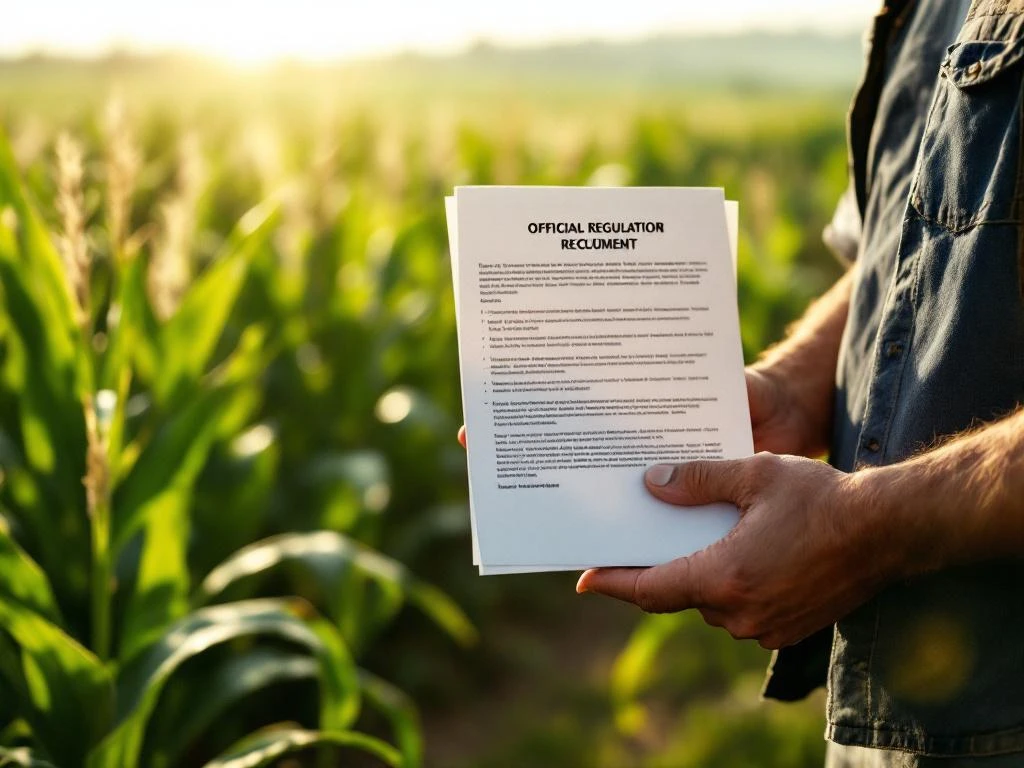
Crop protection regulations are legal frameworks that govern the use of pesticides, chemicals, and plant protection methods in commercial agriculture. These regulations ensure food safety, protect environmental health, and safeguard public welfare by controlling how growers apply crop protection products. Understanding these regulations is essential for commercial horticulture operations worldwide.
What are crop protection regulations and why do they exist?
Crop protection regulations are comprehensive legal frameworks that control the registration, sale, and application of pesticides, herbicides, fungicides, and other plant protection products used in commercial agriculture. These regulations establish mandatory standards for chemical residue levels in food, application methods, worker safety protocols, and environmental protection measures.
The primary purpose of these regulations centres on protecting human health by preventing harmful chemical residues in food products. They also safeguard environmental ecosystems from contamination and ensure agricultural workers can operate safely around potentially hazardous substances. Regulatory frameworks typically require extensive testing and approval processes before any crop protection product reaches the market.
Commercial horticulture operations must comply with specific application rates, timing restrictions, pre-harvest intervals, and documentation requirements. These standards vary by crop type, growing method, and intended market destination. The regulations also establish buffer zones around sensitive areas like water sources and residential properties.
Which organisations control crop protection regulations worldwide?
Multiple regulatory bodies oversee crop protection standards across different regions, with the Environmental Protection Agency (EPA) governing the United States, the European Food Safety Authority (EFSA) managing European Union standards, and national agricultural departments handling country-specific requirements. International organisations like the Food and Agriculture Organization (FAO) provide global coordination and standards.
Regional approaches to regulation vary significantly in their stringency and focus areas. European regulations tend to emphasise precautionary principles with stricter approval processes, while other regions may prioritise agricultural productivity alongside safety considerations. The Codex Alimentarius Commission establishes international food safety standards that many countries adopt or reference.
National agricultural departments work closely with international bodies to harmonise standards where possible. This coordination helps facilitate international trade while maintaining safety standards. Many countries also have specialised pesticide registration authorities that handle the technical evaluation and approval of new products.
How do you ensure compliance with crop protection regulations?
Maintaining regulatory compliance requires systematic record-keeping of all crop protection applications, including product names, application dates, rates used, weather conditions, and operator certifications. Commercial growers must follow label instructions precisely, maintain proper storage conditions, and ensure all applicators receive appropriate training and certification.
Essential compliance steps include:
- Documenting every application with detailed records
- Following prescribed application rates and timing restrictions
- Implementing worker safety protocols and protective equipment requirements
- Maintaining proper storage and disposal procedures
- Conducting regular equipment calibration and maintenance
- Establishing buffer zones around sensitive areas
Regular internal audits help identify potential compliance gaps before they become violations. Many growers implement digital record-keeping systems to streamline documentation and ensure accuracy. Training programmes for staff members should cover both regulatory requirements and practical application techniques.
What happens if you violate crop protection regulations?
Violations of crop protection regulations can result in significant financial penalties, ranging from warning letters to substantial fines that may reach tens of thousands of pounds. Serious violations may lead to licence suspension, product recalls, criminal charges, and civil liability for damages to human health or environmental contamination.
Common violations include exceeding maximum residue limits, applying products to unauthorised crops, failing to observe pre-harvest intervals, and inadequate record-keeping. Repeat offenders face escalating penalties and may lose their operating licences permanently. Insurance coverage may also be affected by compliance violations.
The business impact extends beyond immediate penalties to include damaged reputation, lost market access, and increased scrutiny from regulators. Export markets may reject products from non-compliant operations, resulting in significant revenue losses. Establishing robust compliance programmes with regular training and monitoring helps prevent violations and demonstrates good faith efforts to regulators.
How often do crop protection regulations change?
Crop protection regulations undergo continuous review and modification, with major updates typically occurring every 3-5 years as new scientific data emerges and risk assessments are updated. Emergency changes can happen more rapidly when safety concerns arise, while routine administrative updates occur annually through regulatory guidance documents.
Several factors drive regulatory changes including new toxicological research, environmental monitoring data, technological advances in application methods, and evolving international trade requirements. Climate change considerations and resistance management strategies also influence regulatory modifications.
Growers can stay informed through several channels:
- Subscribing to regulatory agency newsletters and alerts
- Participating in industry association communications
- Attending agricultural extension programmes and workshops
- Consulting with agricultural advisors and suppliers
- Monitoring trade publication updates
Proactive monitoring of regulatory changes helps growers adapt their practices before new requirements take effect, avoiding compliance issues and maintaining market access.
Hoe Hortus helpt met crop protection compliance
We support commercial growers with comprehensive regulatory compliance solutions through our certified product portfolio, technical guidance services, and ongoing regulatory updates. Our team provides expert advice on proper application methods, documentation requirements, and regulatory changes that affect your operations.
Our compliance support includes:
- Certified crop protection products that meet international standards
- Technical documentation and application guidance
- Regular updates on regulatory changes and requirements
- Training materials for staff certification programmes
- Expert consultation on compliance strategies
Professional growers benefit from our extensive experience across 25+ countries, ensuring your operations meet local and international regulatory requirements. Our comprehensive range of horticultural products are designed to support compliance while maximising crop protection effectiveness. Contact our technical team today to discuss how we can support your crop protection compliance programme and help maintain your market access while optimising crop protection strategies.
Frequently Asked Questions
How do I know which crop protection products are approved for my crop?
Check your national pesticide registration database or contact your local agricultural extension office. Most regulatory agencies maintain searchable online databases by crop type and active ingredient.
What should I do if I exceed maximum residue limits?
Immediately contact your regulatory authority and document the incident. You may need to delay harvest or conduct additional testing depending on severity.
How long must I keep application records?
Most jurisdictions require 3-7 years of detailed records. Establish digital backup systems as missing records can result in penalties.
What are the most common compliance mistakes?
Incomplete record-keeping, incorrect application rates, using unauthorised products, and failing to observe buffer zones are frequent violations.