





The latest crop protection technologies in 2026 combine artificial intelligence, precision application systems, biological solutions, and nano-enhanced formulations to transform modern agriculture. These innovations offer improved accuracy, reduced environmental impact, and better pest management outcomes. Professional growers are adopting smart monitoring systems, biological controls, and AI-powered detection methods to optimise yields while maintaining sustainable practices.
What are the most innovative crop protection technologies emerging in 2026?
The most innovative crop protection technologies in 2026 include AI-powered pest detection systems, precision application equipment, advanced biological control agents, and nano-enhanced formulations. These technologies work together to create more targeted, efficient, and environmentally conscious plant protection strategies.
AI-powered detection systems use computer vision and machine learning algorithms to identify pest threats and diseases before they become widespread problems. These systems analyse images from drones, field cameras, and smartphone applications to provide instant diagnosis and treatment recommendations.
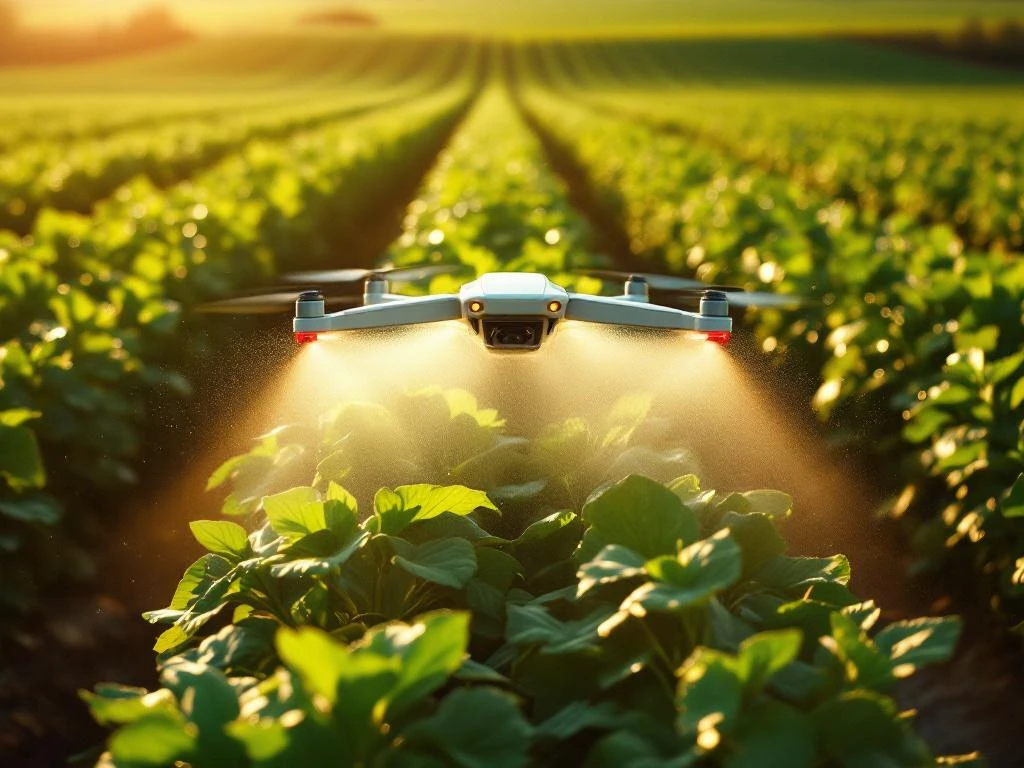
Precision application technologies deliver treatments exactly where needed, reducing chemical usage by up to 40% compared to traditional broadcast methods. Variable rate application systems adjust spray patterns, droplet sizes, and chemical concentrations based on real-time field conditions and pest pressure mapping.
Nano-enhanced formulations represent another breakthrough, using nanoparticles to improve active ingredient delivery and effectiveness. These formulations provide better plant uptake, extended protection periods, and reduced environmental impact through more efficient targeting of pest organisms.
How do AI and machine learning improve crop protection effectiveness?
AI and machine learning improve crop protection effectiveness by predicting pest outbreaks before they occur, optimising treatment timing, and reducing unnecessary applications through precise monitoring. These technologies analyse weather patterns, historical data, and real-time field conditions to make intelligent protection decisions.
Predictive analytics systems process vast amounts of environmental data to forecast pest pressure and disease risks. Machine learning algorithms identify patterns in temperature, humidity, rainfall, and crop growth stages that correlate with specific pest problems, enabling proactive rather than reactive treatments.
Automated monitoring systems use IoT sensors and drone surveillance to continuously assess crop health across large areas. Computer vision technology can detect early signs of pest damage, nutrient deficiencies, or disease symptoms that human scouts might miss, ensuring timely intervention.
Treatment optimisation algorithms determine the most effective application timing, product selection, and dosage rates based on current conditions. These systems consider factors such as pest life cycles, weather forecasts, and crop vulnerability stages to maximise protection while minimising environmental impact.
What’s the difference between traditional and precision crop protection methods?
Traditional crop protection methods apply treatments uniformly across entire fields regardless of actual pest pressure, while precision methods target specific areas based on real-time monitoring and variable pest populations. Precision approaches reduce chemical usage, lower costs, and minimise environmental impact.
Conventional broadcast applications treat whole fields with standard rates, often resulting in over-treatment of low-risk areas and under-treatment of problem zones. This approach typically uses 20-40% more chemicals than necessary and may not adequately address localised pest hotspots.
Precision targeting technologies use GPS mapping, sensor data, and variable rate equipment to apply treatments only where needed. These systems create detailed field maps showing pest pressure variations and adjust application rates accordingly, ensuring optimal protection with minimal chemical input.
Cost-effectiveness differs significantly between approaches. While precision systems require higher initial investment in technology, they typically reduce chemical costs by 30-50% and improve yield protection through more accurate targeting. Environmental benefits include reduced chemical runoff, lower impact on beneficial organisms, and decreased resistance development.
Why are biological crop protection solutions gaining popularity in 2026?
Biological crop protection solutions are gaining popularity because they offer sustainable pest management with reduced environmental impact, lower resistance development, and compatibility with integrated pest management programmes. These solutions work alongside natural ecosystem processes rather than disrupting them.
Beneficial microorganisms such as Bacillus and Trichoderma species provide natural disease suppression while improving soil health and plant resilience. These biological agents establish protective relationships with crops, offering ongoing protection without the need for repeated chemical applications.
Natural predator programmes introduce or enhance populations of beneficial insects that control pest species through biological relationships. These systems create self-regulating pest management that becomes more effective over time as beneficial populations establish themselves.
Biopesticides derived from natural sources offer targeted pest control with minimal impact on non-target organisms. These products break down quickly in the environment, reducing residue concerns and supporting sustainable production practices that meet consumer demands for environmentally responsible agriculture.
How do growers implement smart monitoring systems for crop protection?
Growers implement smart monitoring systems by deploying IoT sensors, satellite imagery analysis, and mobile applications that provide real-time crop health assessment and automated pest alerts. These systems integrate multiple data sources to create comprehensive field monitoring networks.
IoT sensor networks monitor environmental conditions such as temperature, humidity, soil moisture, and leaf wetness that influence pest and disease development. These sensors transmit data continuously to cloud-based platforms that analyse conditions and generate alerts when thresholds indicate increased risk.
Satellite imagery analysis provides large-scale crop health monitoring through vegetation indices and thermal imaging. These systems can detect stress patterns, disease outbreaks, and pest damage across entire farms, helping prioritise field scouting efforts and treatment decisions.
Mobile applications connect field scouts with diagnostic tools, treatment databases, and expert support systems. These platforms enable instant pest identification, treatment recommendations, and record keeping while providing access to weather forecasts and application timing guidance.
Hoe Hortus helpt met moderne gewasbescherming
We provide comprehensive crop protection solutions that support modern agricultural technologies through our advanced product portfolio and technical expertise. Our approach combines traditional plant protection knowledge with innovative formulations designed for precision agriculture systems.
Our crop protection support includes:
- Water-soluble fertilizers optimised for precision application systems
- Bio-stimulants that enhance plant natural defence mechanisms
- Nano-enhanced products for improved nutrient uptake and stress resistance
- Iron chelated trace elements for targeted plant nutrition
- Technical guidance for implementing integrated protection programmes
We work with professional growers to develop customised protection strategies that incorporate the latest technologies while maintaining sustainable practices. Our technical team provides ongoing support for optimising application timing, product selection, and monitoring system integration.
Ready to enhance your crop protection programme with modern technologies? Contact our technical specialists to discuss how our advanced solutions can improve your yields while supporting sustainable growing practices.
Frequently Asked Questions
How much should I expect to invest in precision crop protection technology?
Initial investment ranges from $50-200 per acre for basic systems to $500+ per acre for comprehensive solutions. Most growers see ROI within 2-3 seasons through reduced chemical costs and improved yields.
Can precision crop protection work on small farms?
Yes, many technologies are scalable for smaller operations through smartphone apps, drone services, and equipment cooperatives. Cloud-based platforms offer subscription models that make advanced analytics accessible.
What are common mistakes when transitioning to precision crop protection?
Common mistakes include over-relying on technology without proper training, expecting immediate results, and failing to integrate systems properly. Start with pilot areas and ensure staff understand the technology.
How do biological controls integrate with chemical treatments?
Successful integration requires careful timing and product selection. Use selective chemicals that preserve beneficial organisms and apply biological agents when chemical residues are minimal.