






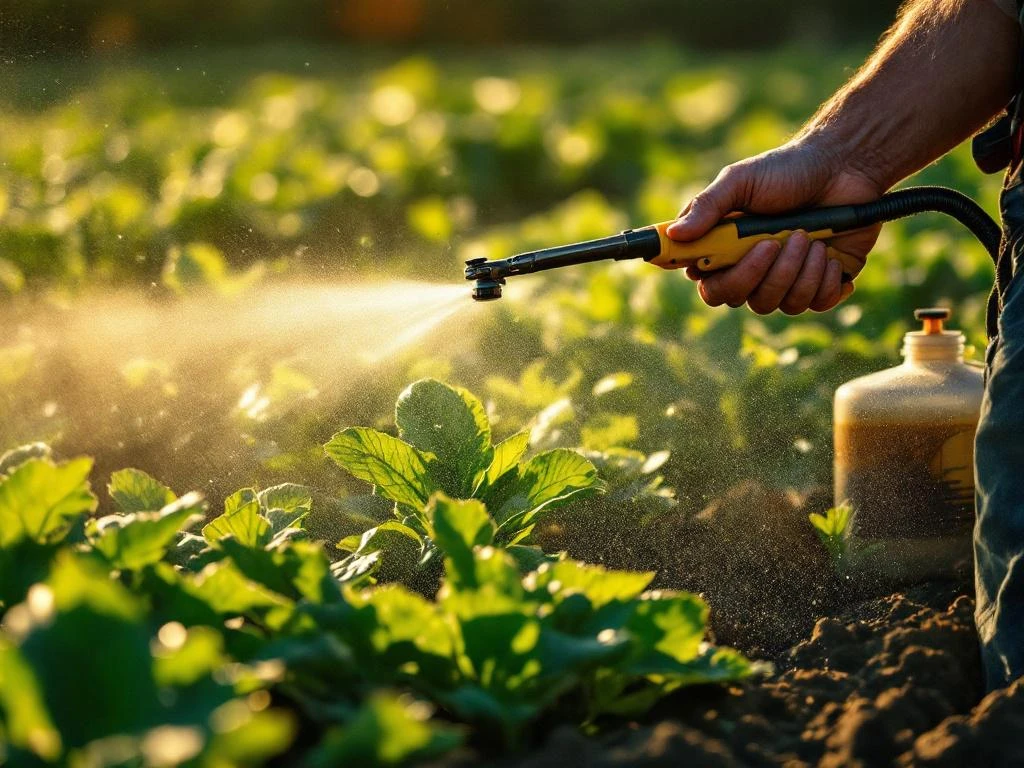
Herbicides are chemical substances designed to control unwanted vegetation in agricultural settings, forming a crucial component of modern crop protection strategies. They fall into several main categories including selective versus non-selective types, pre-emergent versus post-emergent applications, and systemic versus contact formulations. Understanding these different herbicide types helps growers choose the most effective plant protection approach for their specific crops and weed challenges.
What are the main categories of herbicides used in modern crop protection?
Modern herbicides are classified into three primary categories: selectivity (selective vs non-selective), timing of application (pre-emergent vs post-emergent), and mode of action (systemic vs contact). Each classification serves different crop protection needs and weed management objectives.
Selective herbicides target specific weed types while leaving crops unharmed, making them ideal for in-crop applications. Non-selective herbicides eliminate all vegetation and are typically used for total vegetation control in non-crop areas or before planting.
Pre-emergent herbicides prevent weed seeds from germinating when applied to soil before weeds emerge. Post-emergent herbicides control existing weeds that have already sprouted and are actively growing.
Systemic herbicides move throughout the plant via the vascular system, killing the entire plant including roots. Contact herbicides only affect the plant parts they directly touch, making them faster-acting but potentially less thorough for perennial weeds with extensive root systems.
How do selective herbicides work differently from non-selective options?
Selective herbicides target specific plant families or species while preserving desired crops through biochemical selectivity or differential metabolism. They exploit biological differences between crops and weeds, such as enzyme systems or metabolic pathways that allow crops to break down the herbicide whilst weeds cannot.
These herbicides work through various mechanisms including inhibiting specific enzymes found only in target weeds, affecting growth regulators that impact certain plant types differently, or targeting photosynthesis processes that vary between plant species.
Non-selective herbicides affect all plants equally by targeting fundamental biological processes common to all vegetation. They typically work by inhibiting essential enzymes, blocking photosynthesis, or disrupting protein synthesis that all plants require for survival.
Selective herbicides are preferred for in-crop weed control, allowing farmers to spray directly over crops without damage. Non-selective options are better suited for pre-plant applications, fallow ground management, or spot treatments where total vegetation control is desired.
What’s the difference between pre-emergent and post-emergent herbicide applications?
Pre-emergent herbicides are applied to soil before weed seeds germinate, creating a chemical barrier that prevents seedling emergence. Post-emergent herbicides target actively growing weeds that have already emerged from the soil, working through foliar absorption or contact action.
Pre-emergent applications require precise timing, typically applied before the weed germination period begins. They work best when incorporated into soil through rainfall or irrigation within a specific timeframe, usually 7-14 days after application.
Post-emergent treatments offer more flexibility in timing but are most effective when weeds are young and actively growing. These herbicides can be applied when weeds are visible, allowing for targeted treatment based on actual weed pressure rather than predicted emergence.
Environmental conditions significantly impact both approaches. Pre-emergent herbicides need adequate moisture for activation, while post-emergent applications work best during warm, sunny conditions when weeds are metabolically active. Understanding these timing requirements is essential for maximising herbicide effectiveness in crop protection programmes.
Which herbicide application methods are most effective for different crop types?
Foliar spraying remains the most common application method, delivering herbicides directly to weed foliage through broadcast or directed spraying. Soil incorporation involves mixing herbicides into the soil before or during planting, whilst targeted spot treatments address specific weed patches without treating entire fields.
Row crops like maize and soybeans benefit from pre-emergent soil applications followed by post-emergent foliar treatments. The wide row spacing allows for directed spraying between rows, minimising crop contact while maximising weed control.
Horticultural crops often require more precise application methods due to their sensitivity and value. Shielded sprayers, wiper applicators, or hand-held spot treatments help protect valuable plants while controlling weeds in close proximity.
Broadcast applications work well for field crops with uniform planting patterns, while banded applications reduce herbicide use by treating only the crop row area. Consider factors such as crop height, row spacing, weed species, and environmental conditions when selecting application methods for optimal plant protection results.
How do you prevent herbicide resistance in long-term crop management?
Preventing herbicide resistance requires rotating herbicides with different modes of action, implementing integrated weed management practices, and monitoring weed populations for early resistance signs. This multi-faceted approach maintains herbicide effectiveness over time whilst reducing selection pressure on weed populations.
Rotate herbicides from different chemical families and mode-of-action groups rather than using the same product repeatedly. Use herbicide mixtures that combine different modes of action to reduce the likelihood of resistance development in weed populations.
Integrate non-chemical control methods including crop rotation, cover crops, tillage, and competitive crop varieties. These practices reduce overall weed pressure and dependence on herbicides whilst improving soil health and crop productivity.
Monitor fields regularly for weeds that survive normal herbicide rates or show unusual growth patterns after treatment. Early detection allows for alternative control measures before resistance becomes widespread. Keep detailed records of herbicide applications, weed species present, and control effectiveness to identify potential resistance issues quickly.
Implement prevention strategies such as cleaning equipment between fields, managing field edges and non-crop areas, and avoiding herbicide applications during stress conditions that may reduce effectiveness.
Hoe Hortus helpt met herbicide oplossingen voor gewasbeveiliging
We provide comprehensive herbicide solutions tailored to professional growers’ specific crop protection needs, combining innovative products with technical expertise to ensure optimal weed management results. Our approach focuses on sustainable, effective plant protection strategies that maintain long-term herbicide efficacy.
Our herbicide portfolio includes:
- Selective and non-selective herbicide formulations for diverse crop types
- Pre-emergent and post-emergent solutions for complete weed management programmes
- Resistance management products featuring multiple modes of action
- Technical support for application timing and method optimisation
- Integrated pest management guidance combining chemical and cultural practices
We work closely with growers to develop customised weed management strategies that consider crop types, local weed pressures, environmental conditions, and resistance management requirements. Our technical team provides ongoing support throughout the growing season to ensure optimal herbicide performance and sustainable crop protection.
Contact us to discuss your specific herbicide needs and develop an effective, sustainable weed management programme that protects your crops whilst maintaining herbicide effectiveness for future seasons. Explore our complete range of horticultural products designed to support professional crop protection strategies.
Frequently Asked Questions
How do I know if weeds are developing herbicide resistance?
Look for weeds that survive normal herbicide rates or show patchy control patterns. Key signs include stunted but not killed weeds, consistent escape of the same species, or recovery after initial symptoms.
What's the best way to mix different herbicides?
Check labels for compatibility, use proper mixing order (water first, then herbicides, then adjuvants), maintain pH 6-7, and apply within recommended timeframes.
When should I delay herbicide applications due to weather?
Avoid applications during temperature extremes (below 10°C or above 30°C), high winds (over 15 km/h), or when rain is expected within 4-6 hours.
Do I need to rotate herbicide products annually?
Yes, rotate herbicides with different modes of action annually to prevent resistance. Use 2-3 different mode-of-action groups and integrate non-chemical methods for sustainable management.