






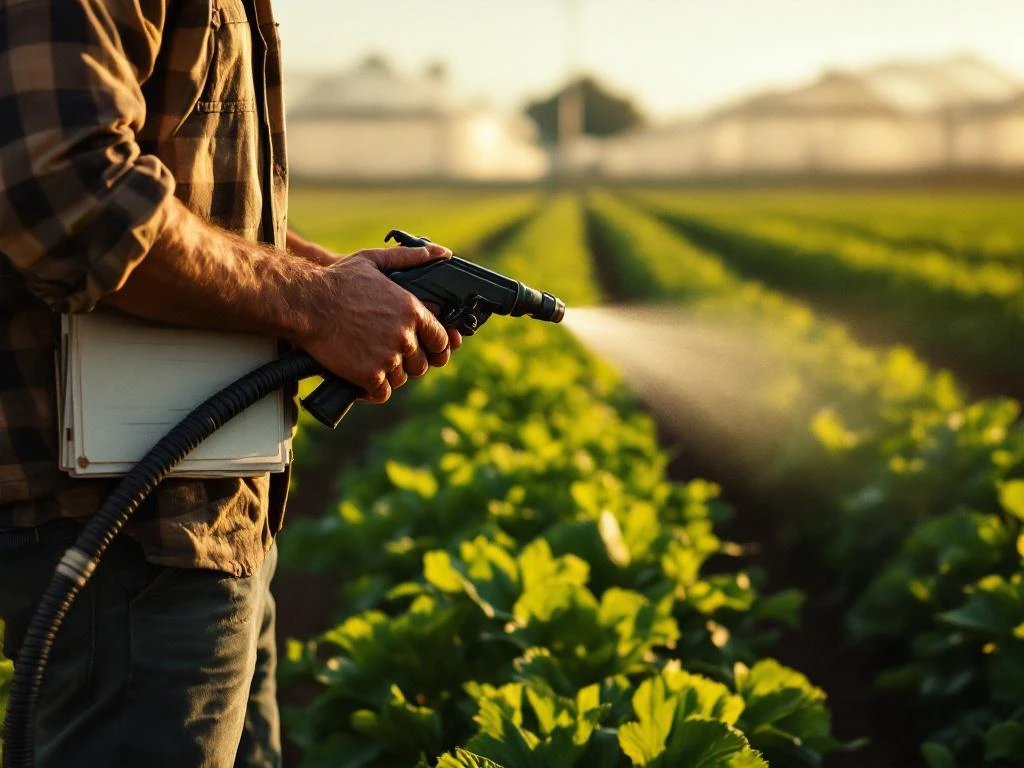
International crop protection standards are regulatory frameworks established by global organisations like the WHO, FAO, and OECD that govern the use of pesticides and plant protection products worldwide. These standards ensure food safety, protect human health, and facilitate international agricultural trade by creating consistent safety requirements across different markets.
What are international crop protection standards and why do they matter?
International crop protection standards are comprehensive regulatory frameworks that establish safety requirements for pesticides, fungicides, herbicides, and other plant protection products used in commercial agriculture. These standards are developed and maintained by key global organisations including the World Health Organisation (WHO), Food and Agriculture Organisation (FAO), and Organisation for Economic Co-operation and Development (OECD).
These standards exist to protect three critical areas: human health through safe residue limits on food products, environmental safety by preventing contamination of soil and water systems, and facilitation of global agricultural trade through harmonised safety requirements. Without these standards, commercial growers would face inconsistent regulations that could compromise food safety and create barriers to international commerce.
The standards cover everything from maximum residue limits (MRLs) on harvested crops to application rates and pre-harvest intervals. They also establish testing protocols, registration requirements, and labelling standards that ensure crop protection products meet safety requirements before reaching the market.
How do different countries implement crop protection regulations?
Countries implement crop protection regulations through distinct regulatory approaches that reflect their agricultural priorities and risk assessment philosophies. The European Union operates one of the strictest systems globally, requiring extensive safety data and often taking years to approve new products. The EU emphasises the precautionary principle and frequently bans substances that other regions still permit.
The United States follows the EPA registration system, which balances risk assessment with agricultural productivity needs. The US approval process typically moves faster than the EU system and allows conditional registrations for products that show promise. This approach often results in different approved products and usage rates compared to European standards.
Emerging markets are developing their own regulatory frameworks, often borrowing elements from established systems whilst adapting to local agricultural needs. Countries like Brazil, India, and China are strengthening their approval processes, creating new compliance requirements for international suppliers. These differences mean that a crop protection product approved in one region may require additional testing or reformulation for use elsewhere.
What compliance challenges do commercial growers face with international standards?
Commercial growers face significant compliance challenges when operating across multiple international markets. The most common obstacle involves varying maximum residue limits between countries, where a crop protection application legal in one region may exceed permitted residue levels in export destinations.
Documentation requirements create substantial administrative burdens. Growers must maintain detailed records of product applications, timing, and rates to demonstrate compliance during inspections or export certification processes. This documentation often needs translation and certification for international markets.
The certification process itself presents challenges, particularly for smaller operations. Meeting multiple regulatory frameworks simultaneously requires expertise in different national standards and often involves costly testing and verification procedures. The financial burden includes not only direct compliance costs but also potential crop losses when approved products in one market cannot be used due to export requirements to stricter jurisdictions.
Timing complications arise when different countries have varying pre-harvest intervals or seasonal restrictions, forcing growers to choose between optimal growing practices and market access.
How can growers stay updated with changing crop protection regulations?
Commercial growers can monitor regulatory changes through several reliable channels that provide timely updates on international crop protection standards. Government regulatory agencies publish official notifications and guidance documents that announce upcoming changes, though these require regular monitoring across multiple jurisdictions.
Industry associations offer valuable resources for tracking regulatory developments. Professional organisations in agriculture and horticulture often provide members with regulatory updates, interpretation guidance, and practical implementation advice. These associations frequently host webinars and workshops that explain new requirements in practical terms.
Professional networks within the agricultural community serve as informal but effective information sources. Connecting with other commercial growers, agricultural consultants, and industry experts creates opportunities to learn about regulatory changes and implementation strategies.
Subscription services specialise in tracking international regulatory developments and provide consolidated updates across multiple jurisdictions. These services often include analysis of how changes affect specific crops or regions, making them particularly valuable for export-focused operations.
Attending international trade shows and agricultural conferences provides direct access to regulatory experts and product manufacturers who can explain upcoming changes and compliance strategies.
How Hortus helps with international crop protection compliance
We support commercial growers navigating the complex landscape of international crop protection compliance through comprehensive solutions designed for multi-market operations. Our approach addresses the practical challenges growers face when meeting diverse regulatory requirements across different export destinations.
Our support includes:
- Access to globally approved products that meet regulatory standards across multiple markets
- Regulatory guidance and documentation support for compliance requirements
- Technical expertise in application rates and timing for different international standards
- Product selection advice based on your specific export market requirements
- Ongoing updates about regulatory changes affecting your target markets
We understand that successful international trade requires more than just quality products – it demands compliance expertise and reliable support throughout the growing season. Our team works directly with commercial growers to ensure their crop protection programmes meet the stringent requirements of their chosen export markets whilst maintaining optimal plant health and productivity.
Contact our technical team to discuss your specific compliance requirements and discover how we can support your international growing operations with confidence and expertise. Our comprehensive range of horticultural products ensures you have access to globally compliant solutions that meet the highest international standards.
Frequently Asked Questions
What should I do if a crop protection product gets banned in my export market?
Stop using the product immediately for crops destined for that market and identify approved alternatives. Check withdrawal periods and allow sufficient time for residue levels to fall below the new market's requirements before harvest.
How far ahead should I plan my crop protection programme for exports?
Plan 6-12 months ahead to research MRL requirements across all target markets, select appropriate products, and account for varying pre-harvest intervals. This provides buffer time for any mid-season regulatory changes.
What documentation is required for international crop protection compliance?
Keep detailed spray records including product names, application dates, rates, weather conditions, and operator details. Maintain purchase receipts, product labels, safety data sheets, and testing results for 3-5 years.
How can I verify a supplier's compliance claims are accurate?
Request official registration documents and MRL data for each target market. Cross-reference with government databases and ask for references from other growers exporting to the same markets.