






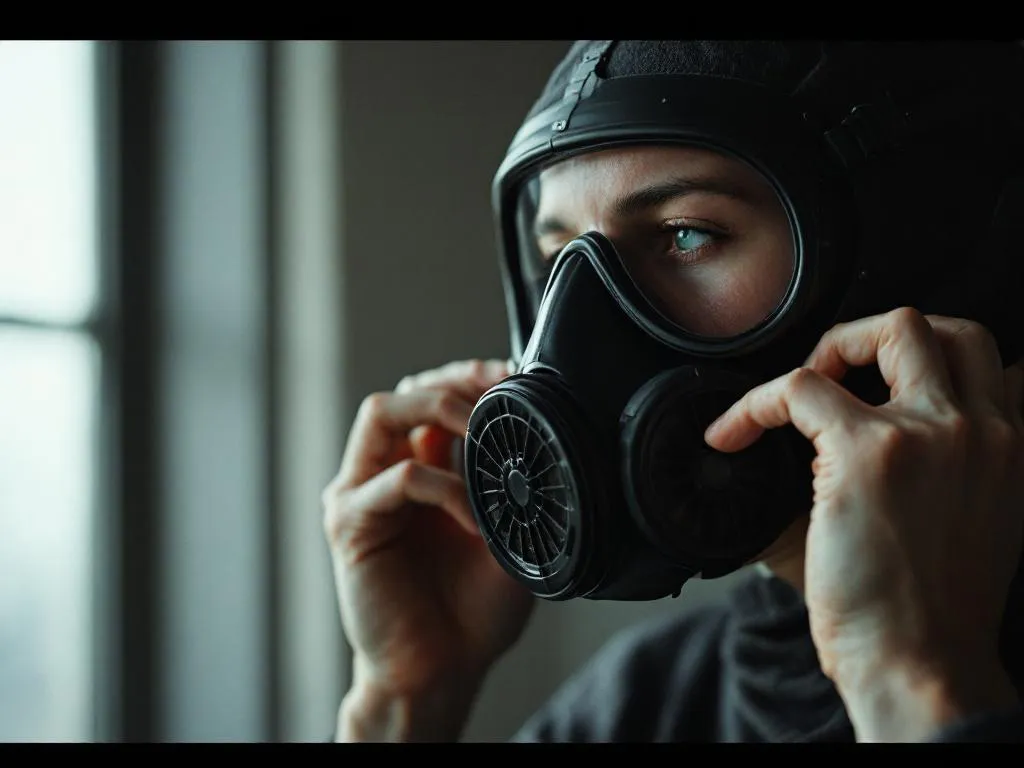
Proper gas mask fitting involves creating a complete seal between the mask and your face to prevent hazardous substances from entering your breathing zone. For horticultural workers exposed to pesticides, fertilisers, and chemical treatments, a correctly fitted mask can mean the difference between safety and serious health complications. Personal protective equipment must fit properly to provide effective respiratory protection during agricultural operations.
What is proper gas mask fitting and why is it critical for horticultural workers?
Proper gas mask fitting means achieving a complete seal around the entire perimeter of the mask against your face, preventing any contaminated air from bypassing the filtration system. The mask must sit securely without gaps at the nose bridge, cheeks, or chin area.
In horticultural environments, workers face numerous respiratory hazards, including pesticide vapours, fungicide sprays, chemical fertilisers, and organic dust particles. These substances can cause immediate irritation or long-term health problems such as respiratory sensitisation, chemical burns to lung tissue, or chronic breathing difficulties.
A poorly fitted mask allows contaminated air to leak around the edges, rendering even the highest-quality gas masks and filters ineffective. When seal integrity is compromised, workers may inhale concentrated chemicals directly, leading to acute poisoning symptoms, skin irritation, or progressive lung damage. The consequences of improper fitting can include emergency hospital visits, permanent respiratory impairment, and lost productivity during critical growing seasons.
How do you perform a basic gas mask fit test before use?
Basic gas mask fit testing involves conducting user seal checks through positive and negative pressure tests before entering any contaminated work area. These quick tests verify that your mask creates an effective barrier against airborne hazards.
For the positive pressure test, cover the exhalation valve or filter outlets with your hands and exhale gently. The mask should bulge slightly outward without air escaping around the edges. Any air leakage indicates an improper fit requiring adjustment.
The negative pressure test involves covering the inhalation valves or filter inlets and inhaling gently. The mask should collapse slightly against your face and maintain suction without air entering around the edges. If the mask fails to hold suction, reposition the straps and repeat the test.
A visual inspection should confirm that the mask sits flat against your face without gaps, the nose bridge is properly sealed, and all straps are adjusted evenly. Signs of a proper fit include no fogging of safety glasses, comfortable pressure distribution, and no air movement felt around the mask perimeter during normal breathing.
What are the most common gas mask fitting mistakes in agricultural settings?
The most frequent gas mask fitting errors in agricultural settings include facial hair interference, incorrect strap tension, incorrect mask size selection, and contamination from improper storage practices. These mistakes compromise worker safety during critical protection periods.
Facial hair creates the most significant barrier to proper mask fitting. Even light stubble can prevent complete seal formation, allowing chemicals to bypass filtration systems. Workers must be clean-shaven in the sealing area or use alternative respiratory protection designed for bearded users.
Incorrect strap adjustment is another common error. Over-tightening causes discomfort and pressure points without improving seal quality, while loose straps allow mask movement and gap formation. Gas masks and filters require balanced tension across all adjustment points for optimal performance.
Many workers select mask sizes based on general appearance rather than proper fit testing, leading to gaps at critical seal points. Additionally, storing masks in dusty, chemical-contaminated areas or failing to clean them between uses can damage sealing surfaces and compromise protection effectiveness during subsequent applications.
Which factors affect gas mask fit and performance in horticultural work?
Facial structure variations significantly impact gas mask fit, with factors including cheek contours, nose bridge height, jaw width, and overall face size affecting seal quality. Environmental conditions and the physical demands of agricultural work also influence mask performance throughout the day.
High humidity and temperature fluctuations common in greenhouse environments can cause mask materials to expand or contract, potentially affecting fit integrity. Excessive moisture buildup inside the mask may compromise visibility and breathing comfort, leading workers to adjust or remove protection prematurely.
Physical activity levels during spraying, pruning, or harvesting create additional challenges for maintaining proper fit. Heavy breathing, head movements, and facial muscle changes can shift mask position, requiring periodic readjustment to maintain seal effectiveness.
Mask material compatibility with skin types affects long-term wearability, while filter selection must match the specific chemical hazards present in different horticultural applications. Regular maintenance requirements include cleaning sealing surfaces, replacing worn components, and ensuring filter cartridges remain within their service life limits for continued protection.
How do you maintain proper gas mask fit throughout long work periods?
Maintaining proper gas mask fit during extended agricultural operations requires regular seal checks, systematic break scheduling, and proactive adjustment techniques that preserve protection without compromising worker comfort or productivity.
Perform quick fit verification every 30–45 minutes by conducting abbreviated pressure tests, particularly after heavy physical activity or when changing work positions. Pay attention to any sensation of air movement around mask edges or unusual odours that might indicate seal failure.
Schedule regular breaks away from contaminated areas to inspect mask condition, remove accumulated moisture or debris, and allow facial muscles to relax. During breaks, check strap tension, examine sealing surfaces for damage, and replace filters if breathing resistance increases noticeably.
Adjustment techniques for comfort include redistributing strap pressure, ensuring even contact around the entire seal perimeter, and addressing hot spots that might cause workers to loosen critical fit points. Keep spare masks available for rotation during lengthy operations, and establish protocols for immediate mask replacement if seal integrity becomes compromised during chemical application periods.
How Hortus Supplies International helps with personal protective equipment
We provide comprehensive personal protective equipment solutions specifically designed for horticultural professionals who require reliable respiratory protection during chemical applications and crop protection activities. Our expertise helps growers select appropriate personal protective equipment that matches their specific operational requirements and safety standards.
Our personal protective equipment support includes:
- Professional equipment selection – Gas masks and filters matched to your specific chemical applications and work environment conditions
- Safety consultation services – Expert guidance on proper fitting procedures, maintenance schedules, and compliance requirements
- Ongoing technical support – Training resources and troubleshooting assistance for optimal equipment performance
- Maintenance programmes – Regular equipment inspection and replacement scheduling to ensure continuous protection
Contact our safety specialists to discuss your respiratory protection needs and ensure your workers have access to properly fitted, reliable gas masks and filters for safe horticultural operations.
Frequently Asked Questions
How often should I replace gas mask filters when working with different pesticides and chemicals?
Filter replacement frequency depends on the specific chemicals used, concentration levels, and duration of exposure. Generally, organic vapor cartridges should be replaced when you detect breakthrough odors, experience increased breathing resistance, or after 8 hours of cumulative use. For highly toxic pesticides, consider replacing filters after each work session to ensure maximum protection.
Can I use the same gas mask for both pesticide spraying and fertilizer application?
While the same mask frame can often be used, you'll need different filter cartridges for different chemical types. Pesticides typically require organic vapor cartridges, while some fertilizers may need particulate filters or combination cartridges. Always check the Safety Data Sheet (SDS) for each product to determine the appropriate filter type and ensure compatibility.
What should I do if my gas mask starts fogging up during work?
Mask fogging usually indicates either improper fit, excessive moisture buildup, or temperature differences. First, check your seal and readjust if necessary. Consider using anti-fog treatments on eye protection, ensure adequate ventilation during breaks, and wipe moisture from inside the mask regularly. If fogging persists, the mask size may be incorrect or the exhalation valve may need cleaning.
Is it safe to eat or drink while wearing a gas mask during breaks?
Never eat, drink, or smoke while wearing a gas mask or in contaminated areas. Remove the mask only in clean, uncontaminated zones away from chemical application areas. Wash your hands and face thoroughly before consuming anything, and ensure you're in a safe area with fresh air before removing respiratory protection.
How do I know if my face shape is compatible with a specific gas mask model?
Proper fit testing is essential before purchasing any mask. Most manufacturers offer fit testing kits or protocols to determine compatibility with your facial structure. If standard masks don't fit properly due to facial hair, scars, or unique face shape, consult with safety professionals about alternative options like powered air-purifying respirators (PAPRs) or supplied-air systems.
What's the best way to store gas masks between seasons to maintain their effectiveness?
Store masks in a clean, dry location away from direct sunlight and temperature extremes. Remove filters and store them separately in sealed containers. Clean the mask thoroughly, inspect all components for damage, and store in the original packaging or a dedicated storage bag. Check sealing surfaces and straps before the next season and replace any deteriorated parts.
Can prescription glasses interfere with gas mask fit, and what are the solutions?
Regular prescription glasses can break the seal around the nose and temple areas. Solutions include prescription lens inserts designed for your specific mask model, contact lenses (if medically appropriate), or masks with built-in prescription lens capabilities. Never compromise the seal by forcing glasses under the mask, as this eliminates respiratory protection.