






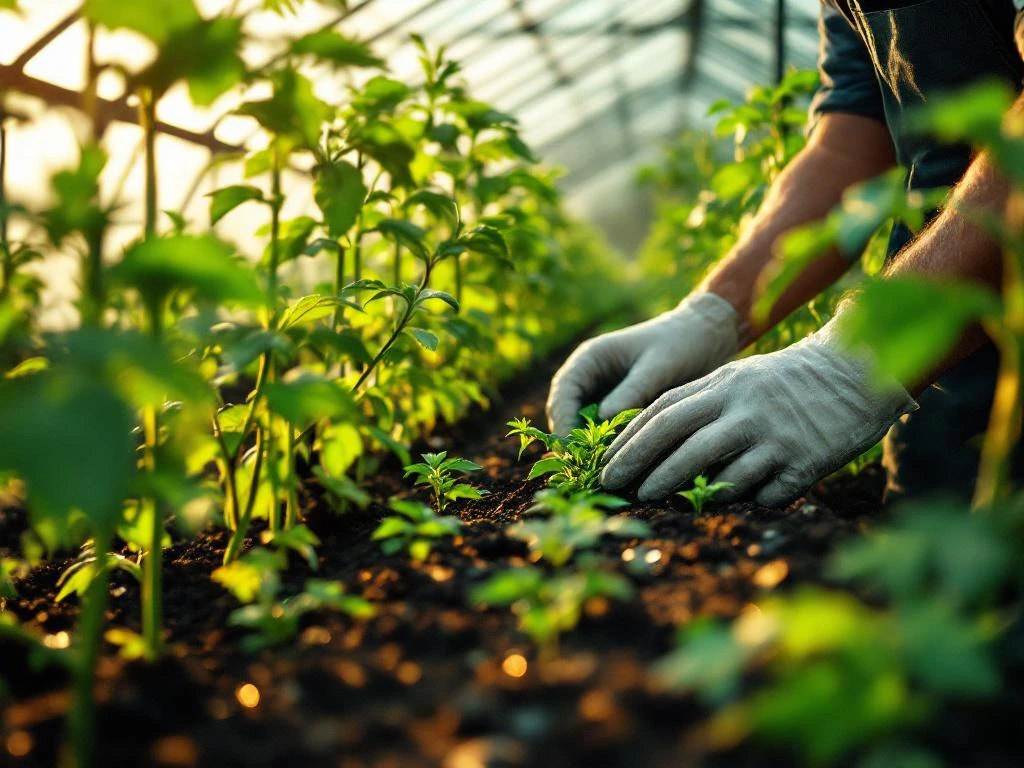
Protecting greenhouse crops requires a comprehensive approach combining proper environmental control, early threat detection, and strategic interventions. Effective crop protection involves managing pests, diseases, and environmental stresses through integrated methods that maintain plant health whilst maximising yields. Success depends on understanding common threats, implementing preventive measures, and choosing appropriate protection solutions for your specific growing conditions.
What are the main threats to greenhouse crops and how do you identify them?
Greenhouse crops face three primary threat categories: pests, diseases, and environmental stresses. Common pests include aphids (small, soft-bodied insects clustering on new growth), whiteflies (tiny white flying insects on leaf undersides), and spider mites (causing fine webbing and stippled leaves). Fungal diseases appear as spots, wilting, or powdery growth, whilst bacterial infections cause water-soaked lesions and viral diseases create mosaic patterns or stunted growth.
Early detection requires systematic monitoring through regular plant inspections, sticky trap placement, and environmental sensors. Visual identification signs include discoloured leaves, unusual growth patterns, insect presence, or abnormal plant behaviour. Weekly scouting helps catch problems before they spread, allowing for targeted interventions rather than widespread treatments.
Environmental stresses manifest through temperature fluctuations, humidity imbalances, poor air circulation, or nutrient deficiencies. These conditions weaken plants and make them susceptible to pest and disease pressure, creating cascading problems throughout your growing environment.
How does integrated pest management work in greenhouse environments?
Integrated pest management (IPM) combines multiple control strategies to manage pests sustainably whilst minimising chemical inputs. This approach uses biological controls (beneficial insects, predatory mites), cultural practices (crop rotation, sanitation), mechanical controls (screens, traps), and strategic chemical interventions when necessary.
Biological controls form the foundation of greenhouse IPM. Beneficial insects like ladybirds, parasitic wasps, and predatory mites naturally control pest populations. These biological agents work continuously, providing ongoing protection without chemical residues or resistance development.
Cultural practices include proper spacing for air circulation, removing infected plant material, and maintaining clean growing areas. Mechanical controls involve physical barriers like insect screens, sticky traps for monitoring and mass trapping, and reflective mulches that confuse flying pests.
Chemical interventions become the final option when other methods prove insufficient. IPM principles emphasise using selective products that target specific pests whilst preserving beneficial organisms, rotating active ingredients to prevent resistance, and timing applications for maximum effectiveness with minimal environmental impact.
What role does climate control play in protecting greenhouse crops?
Climate control serves as the foundation of crop protection by creating optimal growing conditions that promote plant health and prevent disease development. Temperature, humidity, ventilation, and air circulation directly influence plant immunity and pathogen survival, making environmental management crucial for successful plant protection.
Temperature management affects plant metabolism, stress responses, and disease susceptibility. Most greenhouse crops thrive with day temperatures between 18-24°C and night temperatures 2-4°C cooler. Consistent temperatures reduce plant stress and limit conditions favouring fungal and bacterial growth.
Humidity control prevents many common greenhouse diseases. Maintaining relative humidity between 50-70% reduces condensation on plant surfaces, limiting fungal spore germination and bacterial spread. Proper ventilation removes excess moisture whilst ensuring adequate air movement around plants.
Air circulation prevents stagnant conditions that encourage disease development. Strategic fan placement creates gentle air movement that strengthens plant stems, reduces humidity around foliage, and distributes beneficial insects throughout the growing area. Good airflow also helps maintain consistent temperatures and prevents hot spots that stress plants.
Which preventive measures are most effective for greenhouse disease control?
Preventive disease control focuses on sanitation protocols, cultural practices, and proactive management that eliminate disease sources before problems develop. Effective prevention reduces the need for reactive treatments whilst maintaining healthier growing environments.
Sanitation protocols include disinfecting tools between plants, removing plant debris promptly, and cleaning growing surfaces regularly. Weekly removal of yellowing leaves, spent flowers, and fallen plant material eliminates potential disease sources. Tool sterilisation with alcohol or bleach solutions prevents pathogen spread between plants.
Crop rotation strategies break disease cycles by avoiding repeated planting of susceptible species in the same locations. Even within greenhouse environments, rotating crop families helps reduce soil-borne pathogens and pest populations that build up over successive growing cycles.
Resistant variety selection provides built-in protection against specific diseases. Many modern cultivars offer resistance to common problems like powdery mildew, bacterial wilt, or viral infections. Combining resistant varieties with good cultural practices creates multiple layers of protection.
Cultural practices include proper plant spacing for air circulation, avoiding overhead watering that wets foliage, and maintaining optimal nutrition levels that support plant immunity. Healthy, well-nourished plants resist diseases better than stressed or weakened ones.
How do you choose the right crop protection products for greenhouse use?
Selecting appropriate crop protection products requires considering crop type, growth stage, specific challenges, and greenhouse safety requirements. Enclosed growing environments need products that work effectively without creating harmful residues or affecting beneficial organisms.
Product compatibility becomes crucial in greenhouse settings where multiple treatments may be necessary. Bio-stimulants enhance plant natural defences and can be combined with most fertiliser programmes. Water-soluble fertilisers provide precise nutrition that supports plant immunity whilst avoiding salt buildup in growing media.
Application timing affects product effectiveness and plant safety. Growth stage considerations include using gentler products on young plants, avoiding flower treatments during pollination, and timing applications to avoid harvest periods. Environmental conditions like temperature and humidity also influence product performance.
Safety considerations for enclosed environments include selecting products with low volatility, minimal odour, and compatibility with beneficial insects. Many greenhouse-specific formulations offer targeted action against pests whilst preserving biological control agents that provide ongoing protection.
Nano fertilisers containing essential nutrients in nanoparticle form offer enhanced plant uptake and reduced environmental impact. These advanced formulations provide sustained nutrition that supports plant health and natural resistance mechanisms throughout the growing cycle.
Hoe Hortus helpt met bescherming van kasgewassen
We provide comprehensive crop protection solutions specifically designed for greenhouse environments, combining advanced fertiliser technologies with technical expertise to help professional growers achieve optimal plant health and yields.
Our specialised product range includes:
- Water-soluble fertilisers for precise nutrition management
- Iron chelated trace elements that prevent nutrient deficiencies
- Bio-stimulants that enhance plant natural defence mechanisms
- Nano fertilisers with enhanced uptake and sustained release
- Technical support for integrated crop protection programmes
These solutions work together to create robust plant protection systems that reduce disease pressure, improve stress tolerance, and maintain consistent crop quality. Our products are formulated for greenhouse compatibility, ensuring they work effectively in controlled environments without disrupting beneficial organisms or creating unwanted residues.
Contact us today to discuss your specific crop protection needs and discover how our innovative solutions can enhance your greenhouse growing success whilst supporting sustainable production practices.
Frequently Asked Questions
How often should I monitor my greenhouse crops for pest and disease issues?
Monitor your greenhouse crops at least twice weekly through systematic plant inspections, checking both upper and lower leaf surfaces. Daily monitoring is recommended during critical growth periods or when environmental conditions favour pest development.
What's the best way to introduce beneficial insects into my greenhouse IPM programme?
Introduce beneficial insects gradually, starting with banker plants or slow-release sachets that provide sustained populations. Release beneficials before pest populations become established, typically at the first sign of pest activity.
Can I use the same crop protection products year-round in my greenhouse?
Avoid using the same products continuously to prevent resistance development. Rotate between different active ingredients and modes of action, especially for chemical interventions. Seasonal adjustments may also be necessary as pest pressure changes.
How do I know if my greenhouse humidity levels are causing disease problems?
Watch for condensation on plant surfaces, especially in early morning, and fungal diseases like powdery mildew or botrytis. Install humidity sensors at plant canopy level and maintain relative humidity between 50-70%.