






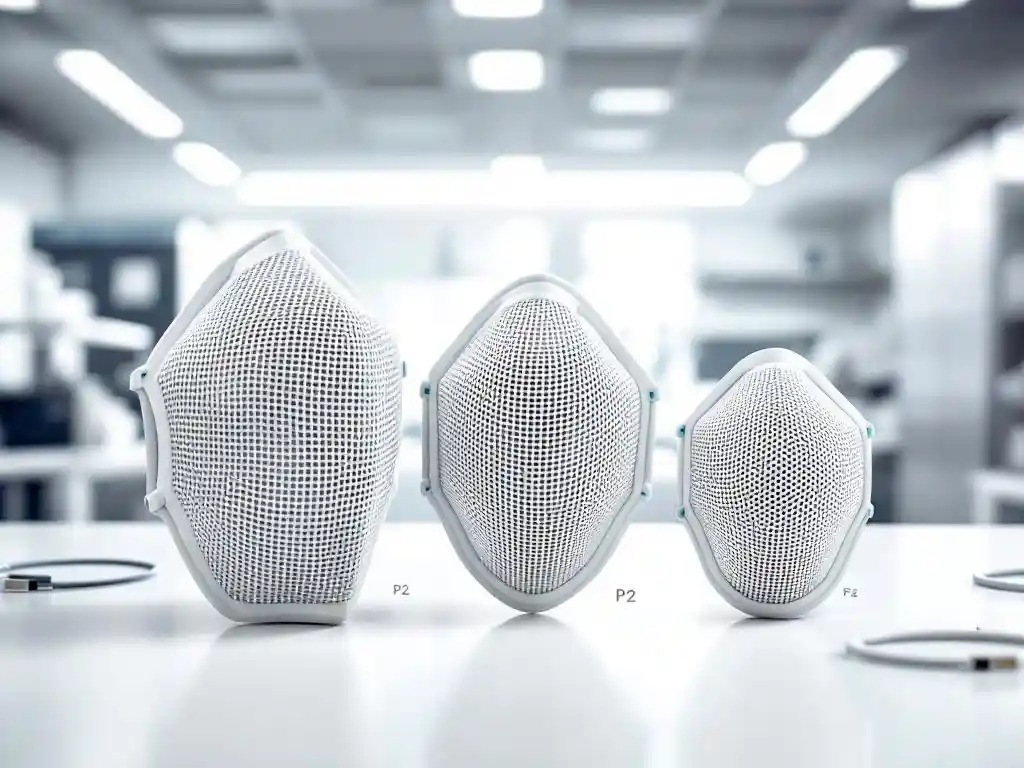
P1, P2, and P3 filters are European EN 143 standard classifications for particle filters used in gas masks and filters. P1 filters provide 80% efficiency against solid particles, P2 filters offer 94% efficiency against solid and liquid particles, and P3 filters deliver 99.95% efficiency against all particles, including toxic substances. These classifications help workers choose appropriate respiratory protection based on their specific workplace hazards and exposure risks.
What do P1, P2, and P3 filter classifications actually mean?
The P1, P2, and P3 filter classifications represent different levels of particle filtration efficiency under the European EN 143 standard. This standardised system ensures consistent protection levels across respiratory equipment manufacturers and helps workers select appropriate protection for their specific work environment.
P1 filters capture at least 80% of particles and are designed to protect against non-toxic solid particles such as dust, pollen, and basic construction debris. These filters are suitable for low-risk environments where particle concentrations are minimal and exposure poses no serious health threats.
P2 filters achieve a minimum efficiency of 94% against both solid and liquid particles, making them appropriate for moderate-hazard situations. They protect against wood dust, metal fumes, agricultural chemicals, and other substances that could cause respiratory irritation or moderate health effects with prolonged exposure.
P3 filters provide the highest level of protection, with 99.95% efficiency against all particle types, including highly toxic substances, asbestos fibres, radioactive particles, and biological agents. These filters are essential for high-risk environments where even minimal exposure could cause serious health consequences.
How do you choose between P1, P2, and P3 filters for different tasks?
Choose P1 filters for basic dust protection in low-risk environments such as general gardening, light woodworking, or cleaning tasks. Select P2 filters for moderate-hazard situations involving chemical spraying, metal grinding, or working with irritating substances. P3 filters are necessary for high-risk tasks involving toxic chemicals, fine dust, or any substances that could cause serious health effects.
Consider the particle concentration in your work environment when making your selection. Low particle concentrations with non-toxic materials typically require P1 protection, while moderate concentrations of potentially harmful substances call for P2 filters. High concentrations or any exposure to toxic materials always demand P3 protection.
Evaluate the specific substances you will encounter at work. Harmless dust particles such as soil or non-toxic plant matter work well with P1 filters. Chemical sprays, fertiliser dust, or metal particles require P2 protection. Pesticides, fungicides, or any materials with warning labels indicating respiratory hazards require P3 filters for safe handling.
Your exposure duration also influences filter choice. Short-term exposure to mild irritants may be acceptable with P1 filters, but extended work periods or repeated daily exposure typically require upgrading to P2 or P3 protection for long-term health and safety.
What’s the difference between P1, P2, and P3 filter efficiency levels?
The primary difference lies in filtration efficiency percentages and particle-size capability. P1 filters capture 80% of particles, P2 filters capture 94%, and P3 filters capture 99.95%. These efficiency ratings directly translate to how much contaminated air passes through versus how much clean air you breathe.
P1 filters work effectively against larger particles but allow more penetration by fine particles. They are designed for situations where complete filtration is not critical because the particles pose minimal health risks even with some exposure.
P2 filters handle both solid and liquid particles more effectively, capturing smaller particles that P1 filters might miss. This improved efficiency makes them suitable for environments where moderate exposure could cause respiratory irritation or cumulative health effects.
P3 filters excel at capturing the finest particles, including those that could cause immediate or severe health effects. Their near-complete filtration makes them essential when working with substances for which any exposure poses significant health risks.
Higher efficiency does not always mean a better choice for every situation. Using P3 filters for basic dust work creates unnecessary breathing resistance and higher costs without additional safety benefits, while using P1 filters for handling toxic substances provides inadequate protection.
How long do P1, P2, and P3 filters last in typical work conditions?
Filter lifespan depends on particle load, humidity, breathing rate, and work intensity rather than fixed time periods. P1 filters typically last longer due to lower particle capture, while P3 filters may require more frequent replacement because they capture nearly all particles encountered.
Recognise when it is time to replace a filter by monitoring breathing resistance, which increases as filters capture more particles. When breathing becomes noticeably more difficult, or you detect odours or tastes through the filter, immediate replacement is necessary regardless of usage time.
Environmental conditions significantly affect filter life. High-dust environments, humid conditions, and heavy physical work that increases breathing rate all reduce filter lifespan. Cold weather can extend filter life, while hot, humid conditions may require more frequent changes.
Store unused filters in cool, dry locations away from direct sunlight and chemicals. Proper storage prevents degradation and maintains filtration efficiency. Keep replacement filters readily available, as filter failure in hazardous environments poses immediate health risks.
Consider cost implications when selecting filter types. While P3 filters cost more initially, they may prove economical for high-risk work where health protection justifies the investment. P1 filters offer cost-effective protection for basic applications where lower efficiency suffices.
How Hortus Supplies helps with personal protection
We provide comprehensive personal protection solutions, including P1, P2, and P3 filter options specifically designed for horticultural and agricultural applications. Our extensive range covers respiratory protection, protective clothing, and safety equipment tailored to the unique challenges facing modern growers.
Our personal protection offerings include:
- A complete range of P1, P2, and P3 filters for different protection levels
- Compatible gas masks and respirators for comfortable, extended wear
- Expert consultation to match protective equipment to specific crop-protection tasks
- Training resources for proper equipment selection and use
- Ongoing support for maintaining safe working environments
We understand that emerging growers need reliable protection solutions that fit within start-up budgets while maintaining safety standards. Our experienced advisors help you select appropriate personal protection equipment based on your specific crops, chemicals, and working conditions, ensuring optimal safety without unnecessary expense.
Frequently Asked Questions
Can I reuse P1, P2, or P3 filters after they've been used once?
No, particle filters should never be reused once removed from the respirator. Even if they appear clean, the filter material's structure becomes compromised during use, and contaminants may remain trapped inside. Always use fresh filters for each work session to maintain proper protection levels.
What happens if I accidentally use a P1 filter when I should be using P3 protection?
Using inadequate filtration for high-risk tasks can result in serious health consequences, including respiratory damage, poisoning, or long-term health effects from toxic exposure. If this occurs, immediately leave the contaminated area, seek fresh air, and consult a medical professional if you experience any symptoms like difficulty breathing, dizziness, or irritation.
How do I know if my filter is properly sealed and working correctly?
Perform a fit check before each use by covering the filter with your hands and breathing in gently - you should feel the mask pull against your face with no air leaking around the edges. During work, monitor for any unusual odours, tastes, or increased breathing difficulty, which indicate filter failure or poor seal.
Can I upgrade from P1 to P3 filters using the same respirator mask?
This depends on your specific respirator model and manufacturer specifications. Many respirators accept different filter grades, but you must verify compatibility through the manufacturer's documentation. Never assume filters are interchangeable without proper verification, as incorrect fitting can compromise your safety.
Are there any substances that P1, P2, and P3 filters cannot protect against?
Yes, particle filters do not protect against gases, vapours, or oxygen-deficient environments. For chemical vapours, organic solvents, or gas exposure, you need combination filters or supplied-air systems. Always check safety data sheets to identify all hazards and ensure your respiratory protection addresses every risk present.
How should I dispose of used P1, P2, and P3 filters safely?
Treat used filters as contaminated waste and dispose of them according to local regulations and the specific substances they've captured. For toxic materials, sealed disposal in hazardous waste containers may be required. Never throw contaminated filters in regular trash where they could expose others to harmful particles.
What's the best way to transition from basic dust masks to proper P-rated filters?
Start by conducting a workplace hazard assessment to identify specific particle types and concentrations you encounter. Invest in a quality half-face or full-face respirator that accepts P-rated filters, then select the appropriate filter grade based on your risk assessment. Consider starting with P2 filters for moderate protection while you adjust to proper respiratory equipment.