






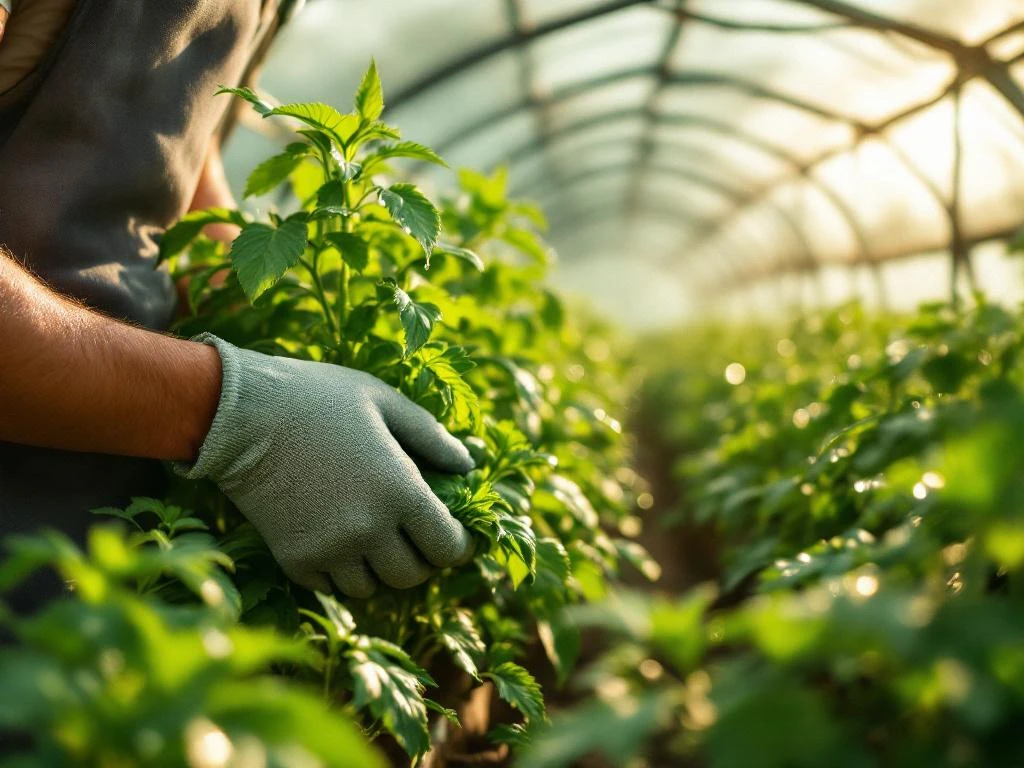
Greenhouse plant protection involves managing pests, diseases, and environmental stressors within controlled growing environments. Unlike outdoor cultivation, greenhouses create unique microclimates that can intensify certain problems while offering greater control over solutions. Effective crop protection strategies combine preventive measures, biological controls, and targeted interventions to maintain healthy plants and optimal yields.
What are the most common plant protection challenges in greenhouse environments?
Greenhouse environments face specific pest and disease pressures including aphids, whiteflies, spider mites, thrips, and fungal diseases like powdery mildew and botrytis. The controlled environment creates ideal conditions for rapid pest reproduction and disease spread through consistent temperatures, high humidity, and limited air circulation.
Aphids multiply quickly in warm greenhouse conditions, feeding on plant sap and transmitting viruses. Whiteflies present similar challenges, particularly in vegetable crops where they can cause significant yield losses. Spider mites thrive in dry, warm conditions and can rapidly colonise entire crops if left unchecked.
Fungal diseases pose serious threats due to greenhouse humidity levels. Plant protection becomes critical when dealing with botrytis grey mould, which spreads rapidly in cool, humid conditions, and powdery mildew that affects leaves and reduces photosynthesis. These pathogens can devastate crops within days if environmental conditions favour their development.
The enclosed nature of greenhouses means problems spread faster than in open fields, but it also provides opportunities for more precise control measures and monitoring systems.
How does integrated pest management work in greenhouse settings?
Integrated pest management (IPM) in greenhouses combines biological controls, cultural practices, monitoring systems, and selective chemical interventions to maintain pest populations below economic damage thresholds. This approach maximises natural pest control while minimising chemical inputs and resistance development.
Biological controls form the foundation of greenhouse IPM programmes. Beneficial insects like predatory mites, parasitic wasps, and predatory beetles are released strategically to control specific pests. These natural enemies establish populations that provide ongoing pest suppression throughout the growing season.
Cultural practices support IPM by creating unfavourable conditions for pests. This includes removing plant debris, managing irrigation to avoid excess moisture, and maintaining optimal spacing for air circulation. Sticky traps and pheromone monitors provide early warning systems for pest activity.
Chemical interventions are used selectively when biological controls need support or during pest outbreaks. Products are chosen based on compatibility with beneficial organisms, with timing carefully planned to minimise disruption to natural enemy populations. This integrated approach maintains crop protection effectiveness while supporting sustainable production methods.
What preventive measures can greenhouse growers implement to reduce plant protection issues?
Preventive measures focus on creating unfavourable conditions for pests and diseases while maintaining optimal growing environments for crops. Key strategies include strict sanitation protocols, climate control optimisation, quarantine procedures, and structural modifications that reduce pest pressure and disease development.
Sanitation protocols begin with removing all plant debris, weeds, and organic matter that could harbour pests or pathogens. Tools and equipment should be cleaned and disinfected regularly, particularly when moving between different crop areas. Worker hygiene protocols help prevent pathogen transmission on clothing and hands.
Climate control optimisation involves managing temperature, humidity, and air circulation to favour plant health over pest development. Maintaining relative humidity below 85% helps prevent fungal diseases, while ensuring adequate air movement reduces condensation and creates less favourable conditions for many pests.
Quarantine procedures for new plants prevent introducing pests and diseases into clean growing environments. All incoming plant material should be isolated and inspected thoroughly before integration with existing crops. Installing insect screening on vents and openings provides physical barriers against flying pests.
Structural modifications like reflective mulches can deter certain insects, while proper drainage systems prevent waterlogged conditions that encourage root diseases and fungal problems.
Which biological control agents are most effective for greenhouse plant protection?
Effective biological control agents for greenhouses include predatory mites like Phytoseiulus persimilis for spider mites, Encarsia formosa wasps for whiteflies, and Aphidius species for aphid control. These beneficial organisms establish sustainable populations that provide ongoing pest management throughout the growing season.
Predatory mites work exceptionally well in greenhouse environments because they can establish permanent populations when pest prey is available. Phytoseiulus persimilis specifically targets two-spotted spider mites and can reduce populations by over 90% when released at appropriate ratios and timing.
Parasitic wasps offer excellent control for specific pest groups. Encarsia formosa parasitises whitefly nymphs, while Aphidius colemani targets various aphid species. These tiny wasps require minimal space and can locate pests throughout the greenhouse structure.
Predatory beetles and bugs provide broader spectrum control. Orius species feed on thrips, spider mites, and small caterpillars, while ground beetles can control various soil-dwelling pests. Release timing is critical for establishment, typically when pest populations are present but before reaching damaging levels.
Microbial agents like Bacillus thuringiensis target specific pest groups without affecting beneficial organisms. These biological pesticides integrate well with other plant protection strategies and provide additional tools for resistance management.
How do environmental controls impact plant protection in greenhouses?
Environmental controls directly influence pest and disease development by affecting reproduction rates, survival, and infection conditions. Proper temperature, humidity, air circulation, and lighting management can suppress problems while supporting plant health and natural defence mechanisms.
Temperature management affects pest development rates and disease infection periods. Many fungal diseases require specific temperature ranges for spore germination and infection. Maintaining temperatures outside these ranges during critical periods can prevent disease establishment without chemical interventions.
Humidity control is crucial for preventing fungal diseases and managing certain pests. Relative humidity above 90% encourages most foliar diseases, while levels below 60% can stress plants and favour spider mite development. Optimal ranges between 70-80% support plant health while limiting disease pressure.
Air circulation prevents stagnant conditions that favour disease development and helps maintain uniform environmental conditions throughout the growing space. Proper ventilation removes excess moisture, reduces temperature gradients, and can physically disturb lightweight pests like aphids and whiteflies.
Lighting management affects both plant stress levels and pest behaviour. Adequate light intensity supports plant vigour and natural defence compounds, while specific light spectra can influence pest activity patterns. UV-B light can enhance plant resistance mechanisms and has direct antimicrobial effects.
These environmental controls work synergistically to create conditions that favour crop protection while maintaining optimal growing conditions for maximum yield and quality.
How Hortus helps with greenhouse plant protection solutions
We provide comprehensive greenhouse plant protection solutions through our extensive range of crop protection products, technical expertise, and ongoing support services. Our approach combines proven biological controls, targeted chemical interventions, and environmental management strategies tailored to specific greenhouse operations and crop requirements.
Our crop protection portfolio includes:
- Biological control agents and beneficial organisms for sustainable pest management
- Selective pesticides compatible with integrated pest management programmes
- Foliar fertilizers and biostimulants that enhance plant natural defence mechanisms
- Technical solutions for environmental monitoring and control optimisation
We support greenhouse growers with technical expertise in developing customised plant protection programmes that integrate multiple control methods for maximum effectiveness. Our team provides ongoing monitoring support, troubleshooting assistance, and programme adjustments based on seasonal conditions and crop development stages.
Contact us to discuss how our comprehensive greenhouse plant protection solutions can help optimise your crop health and maximise your growing success.
Frequently Asked Questions
When should I introduce biological control agents?
Release beneficial organisms when pest populations are detected but still at low levels, typically 1-2 weeks after transplanting. Monitor with sticky traps and introduce predators before pest populations reach economically damaging thresholds.
What's the most common plant protection mistake?
Waiting too long to implement preventive measures and using broad-spectrum pesticides that kill beneficial organisms. Start with comprehensive prevention and establish biological controls early rather than reacting to established pest problems.
Can I use biological and chemical controls together?
Yes, but choose selective pesticides compatible with beneficial organisms and time applications when natural enemies are least active. Allow proper intervals between chemical applications and biological releases for best results.
How do I control humidity without encouraging diseases?
Maintain 70-80% relative humidity during the day, avoid exceeding 85% at night, ensure proper ventilation and air circulation, and prevent condensation on plant surfaces through strategic heating and dehumidification.