






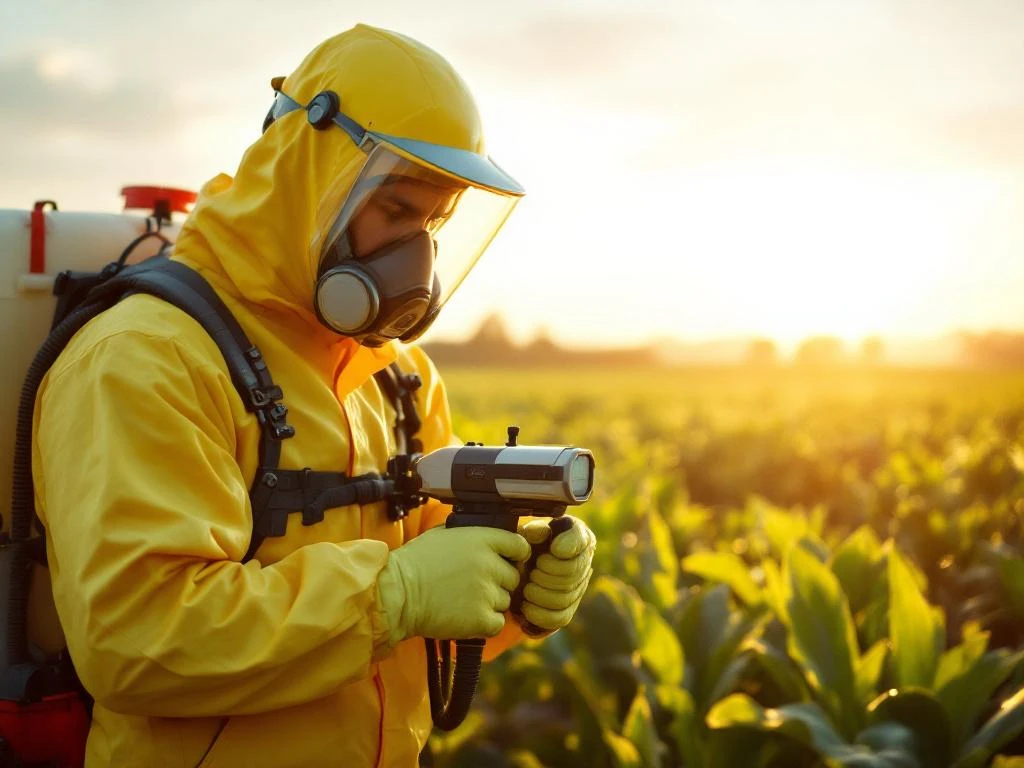
Crop protection applications require strict safety protocols to protect workers, the environment, and ensure regulatory compliance. Essential protocols include proper personal protective equipment (PPE), pre-application planning, environmental assessments, and worker protection standards. These safety measures form the foundation for effective plant protection while minimising health risks and environmental impact throughout professional growing operations.
What are the essential safety protocols for crop protection applications?
Essential safety protocols for crop protection applications encompass personal protective equipment requirements, pre-application risk assessments, environmental monitoring, and comprehensive worker protection standards. These fundamental requirements ensure safe handling of plant protection products whilst maintaining effective pest and disease control in commercial growing operations.
Pre-application planning forms the cornerstone of safe crop protection practices. This includes thorough product label review, weather condition assessment, and equipment calibration checks. Understanding the specific hazards associated with each plant protection product enables proper safety measure selection and implementation.
Worker protection standards require establishing restricted entry intervals, providing adequate training, and maintaining emergency response procedures. Clear communication protocols ensure all personnel understand safety requirements and know how to respond to potential exposure incidents.
Environmental considerations include drift prevention measures, buffer zone establishment, and protection of water sources. These protocols prevent contamination of non-target areas whilst preserving beneficial insects and soil health throughout the growing operation.
How do you properly prepare for safe crop protection applications?
Proper preparation for safe crop protection applications involves systematic equipment inspection, weather assessment, timing verification, area preparation, and safety checklist completion. This step-by-step approach ensures optimal conditions for effective treatments whilst minimising safety risks and environmental impact.
Equipment inspection begins with checking sprayer calibration, nozzle condition, and tank cleanliness. Verify that all safety equipment functions properly, including emergency eyewash stations and first aid supplies. Inspect personal protective equipment for damage or wear that could compromise protection.
Weather assessment requires monitoring wind speed, temperature, humidity, and precipitation forecasts. Ideal conditions typically include wind speeds below 10 mph, moderate temperatures, and no rain expected for several hours post-application. These conditions prevent drift and ensure proper product performance.
Area preparation involves removing unauthorised personnel, securing livestock, and identifying sensitive areas requiring protection. Post warning signs at entry points and establish communication protocols with adjacent properties when necessary.
What personal protective equipment is required for different crop protection products?
Personal protective equipment requirements vary based on product toxicity classifications and application methods. Basic PPE includes chemical-resistant gloves, long-sleeved shirts, long trousers, and closed shoes. Higher-risk products require additional protection including respirators, chemical-resistant suits, and eye protection equipment.
Respiratory protection becomes essential when handling products with inhalation hazards or during enclosed space applications. Select appropriate respirator types based on product labels, ranging from dust masks for low-risk materials to full-face respirators with organic vapour cartridges for volatile compounds.
Chemical-resistant clothing protects against skin contact and absorption. Choose materials appropriate for the specific chemicals being used, as some solvents can penetrate certain protective materials. Nitrile gloves offer good general protection, whilst butyl rubber provides superior resistance to specific chemical classes.
Eye protection includes safety glasses, goggles, or face shields depending on splash potential and application method. Overhead applications and windy conditions increase eye exposure risk, requiring more comprehensive protection measures.
How do you ensure worker safety during crop protection operations?
Worker safety during crop protection operations requires comprehensive training programmes, clear communication protocols, strict adherence to restricted entry intervals, established emergency procedures, and proper supervision guidelines. These measures create safe working environments whilst maintaining operational efficiency.
Training requirements include product-specific safety information, proper PPE use, equipment operation, and emergency response procedures. Regular refresher training ensures workers stay current with safety protocols and regulatory changes affecting their operations.
Communication protocols establish clear procedures for coordinating activities, reporting hazards, and managing emergencies. Use two-way radios or other reliable communication methods to maintain contact between applicators and supervisors throughout operations.
Restricted entry intervals prevent worker exposure by limiting access to treated areas for specified periods. Post clear signage indicating treatment dates, re-entry restrictions, and emergency contact information. Maintain accurate records of all applications and worker activities.
Emergency procedures include immediate response protocols for exposure incidents, equipment malfunctions, and weather emergencies. Ensure first aid supplies and emergency contact information remain readily accessible throughout operations.
What are the key environmental safety considerations for crop protection applications?
Key environmental safety considerations include drift prevention measures, buffer zone establishment, water source protection, beneficial insect conservation, and soil contamination prevention. These measures minimise ecological impact whilst maintaining effective pest and disease control in sustainable growing systems.
Drift prevention involves selecting appropriate nozzle types, maintaining proper pressure settings, and monitoring weather conditions throughout applications. Use drift-reducing nozzles and adjuvants when conditions approach acceptable limits for safe application.
Buffer zones protect sensitive areas including water bodies, neighbouring crops, and wildlife habitats. Establish appropriate distances based on product labels, application methods, and environmental conditions. These zones may require larger setbacks during windy conditions or when using volatile products.
Water source protection prevents contamination of wells, streams, and irrigation systems through proper mixing procedures, equipment cleaning protocols, and storage practices. Never mix or clean equipment near water sources, and follow proper disposal procedures for rinse water.
Beneficial insect conservation requires timing applications to minimise impact on pollinators and natural enemies. Avoid applications during flowering periods when possible, and select products with reduced impact on non-target species when available.
Hoe Hortus helpt met veilige gewasbescherming
We support safe crop protection practices through comprehensive safety training, compliant product solutions, and ongoing technical expertise. Our approach ensures professional growers meet all safety requirements whilst achieving optimal plant protection results in their operations.
Our safety support includes:
- Comprehensive training programmes covering proper application techniques and safety protocols
- Technical guidance for selecting appropriate products and protective equipment
- Regular safety updates reflecting current regulations and best practices
- Emergency response support and consultation services
- Documentation assistance for compliance record-keeping requirements
We provide access to compliant crop protection products with clear safety documentation and application guidelines. Our technical team offers ongoing support to help you implement and maintain safe application practices throughout your growing operations.
Contact our safety specialists today to develop comprehensive crop protection protocols that protect your workers, environment, and business whilst achieving outstanding plant protection results.
Frequently Asked Questions
How often should PPE be inspected during crop protection operations?
PPE should be inspected before each use and replaced immediately if damage or contamination is detected. Chemical-resistant gloves need replacement after each session, while respirators should be replaced per manufacturer guidelines.
What should I do if weather conditions change during application?
Stop application immediately if wind speeds exceed 10 mph or rain begins. Move to safety, secure equipment, and wait for conditions to improve before resuming operations.
What are common mistakes that lead to safety incidents?
Common mistakes include inadequate PPE selection, ignoring weather conditions, poor equipment maintenance, and rushing applications. Always follow label requirements exactly and never take shortcuts with safety protocols.
How should I handle accidental exposure during application?
For skin contact, remove contaminated clothing and wash with soap and water for 15-20 minutes. For eye exposure, flush with clean water for 15 minutes and seek medical attention. Move to fresh air if inhalation occurs.